Bump & Strength: A Practical Prenatal Workout Companion for Every Trimester
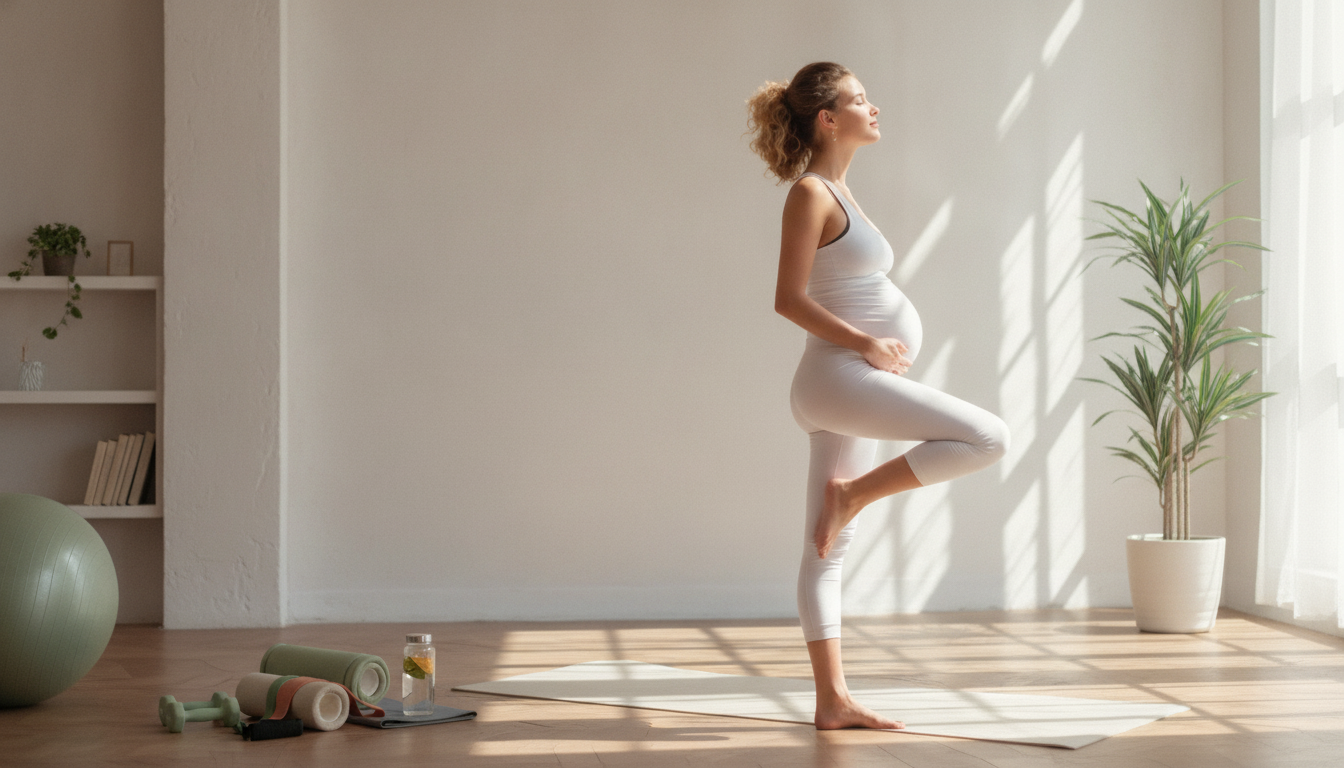
Staying active during pregnancy can support energy, posture, and day-to-day comfort—when workouts are adapted to changing needs across each trimester. Bump & Strength: Your Prenatal Workout Companion is a prenatal strength and mobility guide designed to help build full-body stability, maintain functional strength, and keep joints moving comfortably with pregnancy-appropriate modifications and a clear, trimester-aware approach.
What “prenatal strength + mobility” means (and why both matter)
Prenatal training works best when it’s less about “pushing harder” and more about staying capable as your body changes.
- Strength training focuses on maintaining muscle support for the spine, hips, and upper back as the center of gravity shifts.
- Mobility work prioritizes controlled range of motion (not forcing flexibility), helping manage stiffness in hips, the thoracic spine, and ankles.
- A balanced approach can support daily tasks like walking, carrying, and getting up from the floor with more confidence.
- Breath and core strategy (including pelvic floor-friendly cues) helps reduce “bracing” habits that can increase pressure during pregnancy.
Safety checkpoints to use before every workout
- Get medical clearance when needed—especially with complications, pain, bleeding, dizziness, or a history of preterm labor.
- Use the talk test: you should be able to speak in short sentences; avoid pushing into breath-holding or maximal exertion.
- Avoid overheating and dehydration; prioritize hydration and a cooler environment.
- Stop and reassess if there is sharp pain, leaking fluid, vaginal bleeding, chest pain, faintness, severe headache, calf swelling/pain, or decreased fetal movement.
- Choose stable positions and avoid falls: prioritize supported stances, slower transitions, and controlled loads.
For broader public-health guidance, see ACOG — Exercise During Pregnancy and the CDC — Physical Activity During Pregnancy.
How workouts often change by trimester
- First trimester: focus on consistency, technique, and fatigue management; nausea and energy fluctuations can affect training frequency.
- Second trimester: many people feel steadier—an ideal window for building gentle strength endurance and reinforcing posture, glute strength, and upper-back support.
- Third trimester: emphasize comfort, circulation, mobility, and stability; reduce intensity, widen stance, and prioritize slower tempo and recovery.
- Across all trimesters: adapt core strategy to minimize excessive intra-abdominal pressure and avoid prolonged breath-holding during lifts.
Trimester-friendly weekly routine example (adjust frequency and intensity as needed)
| Day |
Focus |
Time |
Notes |
| Day 1 |
Strength (lower body + posture) |
20–35 min |
Squat/hinge patterns, glute focus, upper-back pulls |
| Day 2 |
Mobility + walking |
15–30 min |
Hips, thoracic spine, ankles; easy pace walk |
| Day 3 |
Strength (full body, lighter) |
20–30 min |
Moderate effort; avoid straining and long breath holds |
| Day 4 |
Rest or gentle mobility |
10–20 min |
Breath-led movement; comfort-first |
| Day 5 |
Strength (upper body + stability) |
20–35 min |
Rows, presses as tolerated, carries, balance work |
| Day 6 |
Mobility + pelvic floor-friendly breathwork |
10–25 min |
Rib mobility, adductors/hips, relaxed exhale focus |
| Day 7 |
Rest |
— |
Recovery, sleep, hydration |
Core, pelvic floor, and breathing: practical cues that scale with pregnancy
- Aim for a “360° breath”: the ribcage expands gently on the inhale; the exhale helps coordinate deep core engagement without force.
- Use an exhale on effort (standing up from a squat, pushing a weight away) to reduce pressure and improve control.
- Avoid “crunchy” core work that domes the midline; switch to side-lying, elevated, or anti-rotation patterns as needed.
- If pressure symptoms show up (coning/doming, heaviness, leaking), choose slower reps and shorter sets instead of heavier loads.
Pregnancy-friendly strength patterns to prioritize
- Squat pattern: supported squats, sit-to-stand, goblet squats with a comfortable stance width.
- Hinge pattern: light Romanian deadlifts, hip hinges to a wall, glute bridges (often easier with elevation as pregnancy progresses).
- Pulling pattern: band rows and supported dumbbell rows to strengthen the upper back and support posture.
- Pressing pattern: incline presses or standing band presses if flat supine positions are uncomfortable.
- Carry/stability work: light farmer carries for grip, posture, and trunk stability—without breath-holding.
Mobility that supports comfort (without overstretching)
- Hip mobility: gentle 90/90 variations, supported lunges, and adductor rock-backs to reduce hip tightness.
- Thoracic mobility: open-book rotations and wall-supported reach patterns for ribcage and upper-back comfort.
- Ankles and calves: calf raises and ankle rocks to support circulation and walking mechanics.
- Use active mobility: move into range, pause briefly, then return with control rather than long, passive holds.
Equipment and space: keeping it simple at home or in the gym
How to use Bump & Strength as a workout companion
Who this companion fits best
Get the guide
Bump & Strength: Your Prenatal Workout Companion is available as a digital guide designed around safe strength and mobility for every trimester.
More digital guides in stock
FAQ
How many days per week is it reasonable to do prenatal strength training?
For many pregnancies, 2–4 days per week of prenatal strength work is a practical range, especially when paired with gentle mobility and walking on other days. Start at the low end if fatigue is high, then adjust based on recovery, symptoms, and your clinician’s guidance.
What should be avoided during prenatal workouts?
Common things to avoid include overheating, dehydration, breath-holding/straining, high fall-risk activities, and any movement that causes pain or pressure symptoms. Stop and seek medical advice if warning signs show up, such as bleeding, leaking fluid, chest pain, faintness, severe headache, calf swelling/pain, or decreased fetal movement.
Can strength training help with back and hip discomfort during pregnancy?
It can help by building glute strength, upper-back support, and trunk stability, which may improve posture and make daily movement feel more manageable. The key is gentle loading, good technique, and choosing modifications that feel steady and pressure-friendly.
Recommended for you





Leave a comment