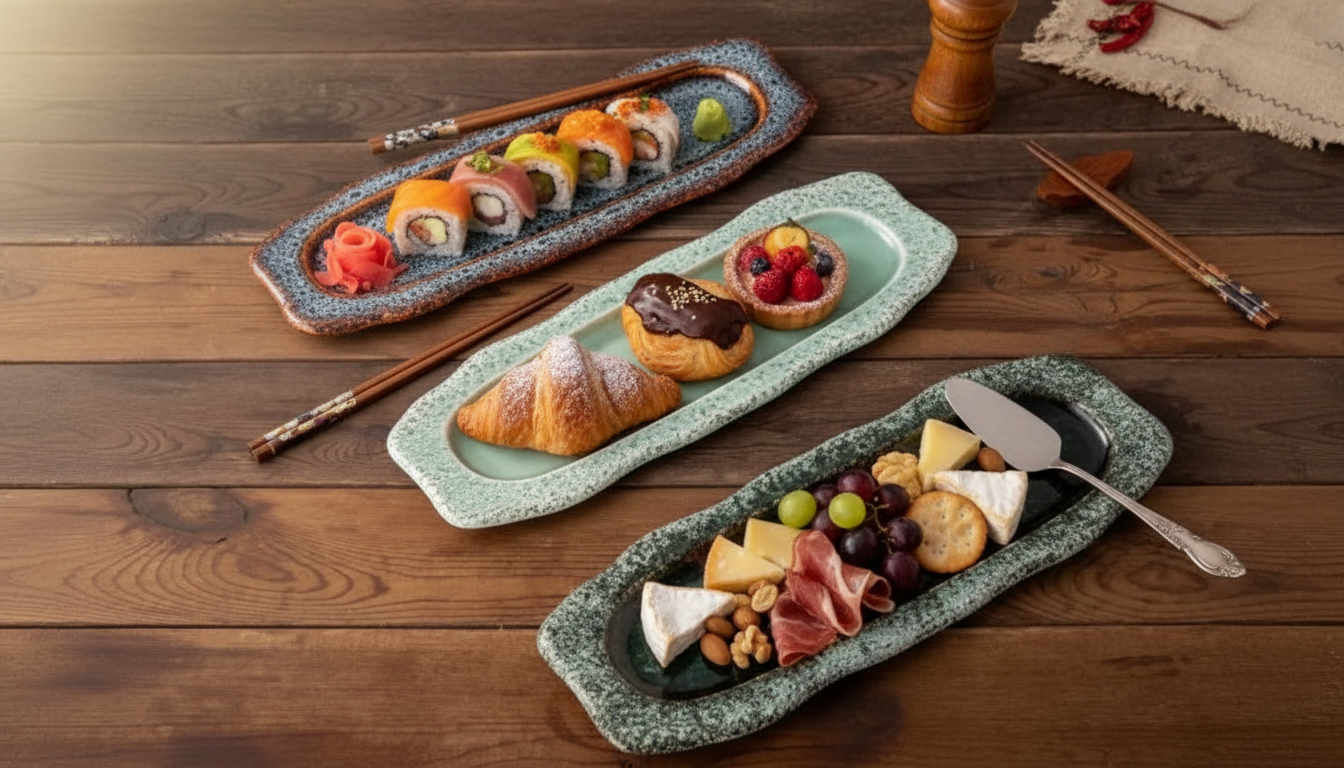
A retro ceramic serving plate can instantly elevate sushi nights, pastry spreads, and snack boards by adding color, structure, and a curated café-style look. Whether it’s a casual weeknight treat or a small get-together, the right ceramic serveware makes food feel more intentional—without requiring complicated plating skills. Below are practical tips for choosing a ceramic serving plate that works for sushi and pastries, simple styling ideas for different occasions, and care habits that help ceramic stay glossy and beautiful over time. For more guidance, see Sushi Plates.
Retro-inspired serveware tends to do more than “hold food.” It sets a mood. Look for bold color blocks, playful motifs, and nostalgic shapes that naturally draw the eye and help your spread feel like a centerpiece rather than an afterthought. For further reading, see Kobe Japanese Restaurant and Sushi – Discover Santa Clara.
Ceramic is also a material that brings visual weight and physical presence. Compared to oversized dinner plates, a dedicated serving plate creates a clear boundary for bite-size foods—so sushi, petit fours, or mini sandwiches look curated rather than scattered. That separation matters for taste, too: a purpose-built serving plate helps keep flavors and textures from mixing (think crisp pastry away from soy sauce drips).
A versatile serving plate earns its keep when it works across cuisines and occasions. Retro ceramic plates are especially strong for foods that look best in small groupings.
Even the best pattern can’t save a plate that’s the wrong size for your typical servings. A few practical details make plating easier and cleanup faster.
| What to check | Why it matters | What to look for |
|---|---|---|
| Rim/lip | Helps prevent drips and crumbs from sliding off | A subtle raised edge |
| Glaze smoothness | Affects cleanup and staining resistance | Even glaze with no rough patches |
| Foot/base | Improves stability on tables and trays | Flat, level base; no wobble |
| Capacity | Controls how many pieces look tidy | Room for bite-size items without touching |
Ceramic is durable, but it benefits from a little consistency. Before first use, confirm cleaning guidance on the product page—dishwasher, microwave, and oven safety can vary by ceramic body and glaze.
For additional background on ceramics as a material, the American Ceramic Society offers a helpful overview of ceramic basics at ceramics.org.
If you want a dedicated piece for sushi assortments and pastry plating, consider the Retro Ceramic Sushi and Pastry Serving Plate. It’s designed for bite-size presentation that feels elevated but still practical for everyday hosting.
Ceramic serveware intended for dining is generally made for food contact, but safety depends on the glaze and manufacturing. Confirm it’s labeled for food use and follow the seller’s care and use instructions.
It varies by ceramic body and glaze, so check the product page for specific dishwasher and microwave guidance. To help prevent cracking, avoid extreme temperature changes.
Choose a plate with a slight rim, keep sauces in small bowls, and pat sushi dry before plating. For pastries, paper cups or a small liner can help reduce sliding while keeping the presentation neat.






Leave a comment