HomeBlogBlogBackyard Automatic Pitching Machine Set: Setup & Drills

Backyard Automatic Pitching Machine Set: Setup & Drills

Backyard Automatic Pitching Machine Set: Setup & Drills

Automatic Baseball Pitching Machine Set for Backyard Batting Practice

A reliable pitching machine helps hitters build timing, bat control, and confidence without needing a partner to throw consistent strikes. A good automatic pitching machine set also makes it easier to run short, focused sessions—perfect for families who want quick reps after school or teams working on mechanics before a weekend tournament. Below is a practical guide to choosing the right setup, dialing in repeatable pitches, and turning backyard swings into better at-bats.

What an automatic pitching machine set helps improve

  • Timing and rhythm through repeatable pitch intervals and consistent ball flight
  • Swing mechanics under pressure by tracking the ball from release to contact
  • Hand-eye coordination with controlled speed, distance, and target zones
  • Confidence for newer hitters by reducing fear of wild throws and unpredictable pitches
  • Efficient solo or small-group practice for families, teams, and coaches

For long-term development, age-appropriate reps and progressive skill building matter as much as the equipment. Resources like USA Baseball emphasize structured development over rushing velocity or volume.

What to check before buying

  • Pitch type: soft toss, straight feed, or adjustable launch to match skill level and goals
  • Speed range and consistency: steady repetition is usually more valuable than max speed for youth practice
  • Power and portability: battery vs. plug-in, overall weight, carry handle, and whether it fits in a trunk
  • Ball compatibility: standard baseballs vs. lightweight practice balls vs. proprietary balls
  • Feeding method and capacity: single-feed vs. hopper/auto-feed for continuous reps
  • Adjustability: height/angle controls for different strike-zone locations and hitter sizes
  • Durability and stability: wide base, anti-slip feet, and impact-resistant housing for frequent use
  • Space needs: pitching distance, net/backstop requirements, and clearance for mishits

If younger players will be training, make safety planning part of the purchase decision. Little League’s safety education is a helpful reference for families setting up at-home training spaces: Little League University – Safety Resources.

Setup for consistent reps (backyard or field)

  • Start with a level surface and stabilize the base so the machine doesn’t drift between pitches.
  • Measure a repeatable distance that fits the hitter’s age and comfort. Begin closer for beginners and move back gradually.
  • Align to the center of the plate area. Use a cone, chalk mark, or a flat target to reset quickly if the machine gets bumped.
  • Use a backstop or practice net behind the hitter to reduce ball chasing and protect windows, fences, and neighbors.
  • Warm up with tracking-only reps (no swing) and low-intensity swings to lock in timing.
  • Keep rounds short (8–15 pitches). Give one cue, then rest to maintain swing quality.

Key features that matter most in everyday use

  • Consistent release point: helps hitters “see it early” and repeat the same move to the ball.
  • Simple controls: quick speed/angle adjustments are crucial when multiple kids rotate through.
  • Quick reload or auto-feed: more swings per minute keeps attention high and makes sessions efficient.
  • Safety design: guarded moving parts, stable footing, and predictable ball path.
  • Easy transport and storage: compact footprint and straightforward assembly for garages and trunks.

Consistency is the real “feature” that makes practice translate. When reps are predictable, hitters can focus on decisions (take/swing), contact quality, and a repeatable path—rather than constantly adjusting to random misses.

Practice plan: drills that translate to better at-bats

Keep total volume reasonable, especially for growing athletes. Fatigue causes mechanics to unravel, which can increase injury risk and teach bad patterns. For more on baseball-related injury considerations, the American Sports Medicine Institute (ASMI) provides research-based resources.

Recommended settings by skill level

Hitter level Distance Pitch pace Primary goal
Beginner Closer, comfort-first Slower, consistent Track ball and make contact
Intermediate Moderate Medium Line drives and zone control
Advanced Game-like Faster Timing under pressure and approach

Small-group tip

Safety and supervision essentials

Care, storage, and troubleshooting

Product picks for quick home practice

Automatic pitching for repeatable reps

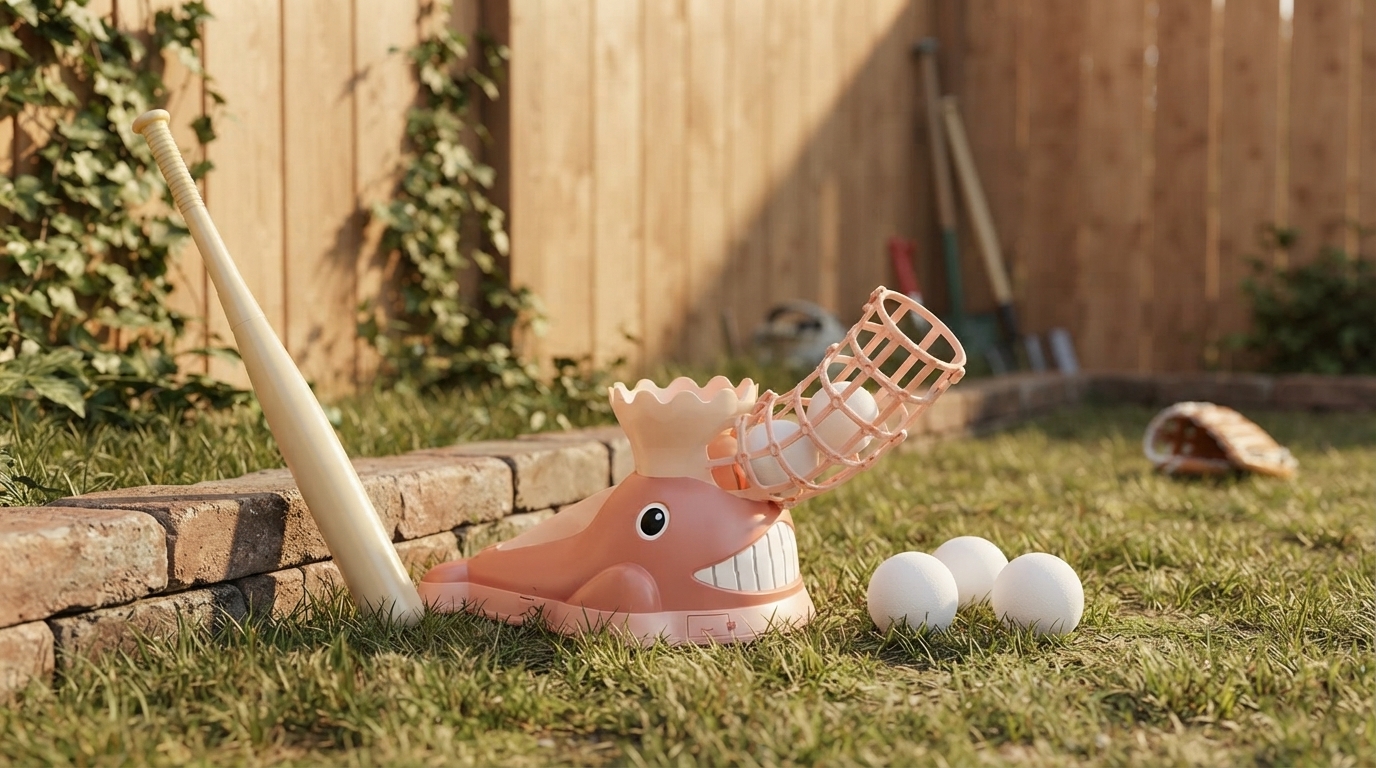
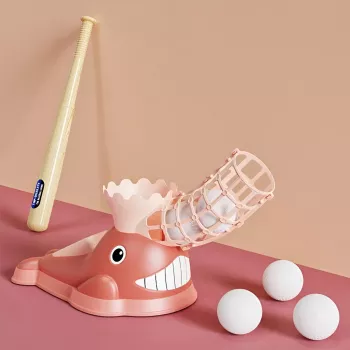
The Automatic Baseball Pitching Machine Set is built for repeated batting reps with automatic pitching—ideal for solo training or family practice when a consistent thrower isn’t available. Pair it with a backyard net and a simple routine (warm-up tracking, 2–4 focused rounds, cool-down swings) to keep sessions productive and easy to repeat.

Simple recovery support for training days

When practices stack up, fueling matters. The High-Protein Ideas for Muscle Recovery Checklist (Digital Download) can help families plan quick, high-protein options after workouts and batting sessions—especially useful during tournament weeks or busy school schedules.

FAQ

What age is an automatic pitching machine set best for?

It can work for a wide range of ages as long as the speed and distance are matched to the hitter’s comfort and ability to maintain safe mechanics. Younger beginners often do best with slower pitches from a shorter distance, then gradually move back and speed up as timing improves.

Do batting practice balls need to be specific to the machine?

Sometimes, yes—compatibility depends on the feeder design and the ball’s size and weight. Check the machine’s guidance and use consistent, undamaged balls to reduce jams and prevent erratic pitch flight.

How far should the pitching machine be from the hitter?

Start closer to build confidence and clean contact, then increase distance to create more game-like timing. Measure the distance and keep it consistent between sessions, and make sure you have enough backstop space for misses.

Was this article helpful?

Yes No
Leave a comment
Top

Yay! 10% Off Just for You!

Join our community and enjoy 10% off your first order. Subscribe for exclusive deals!

Shopping cart

×