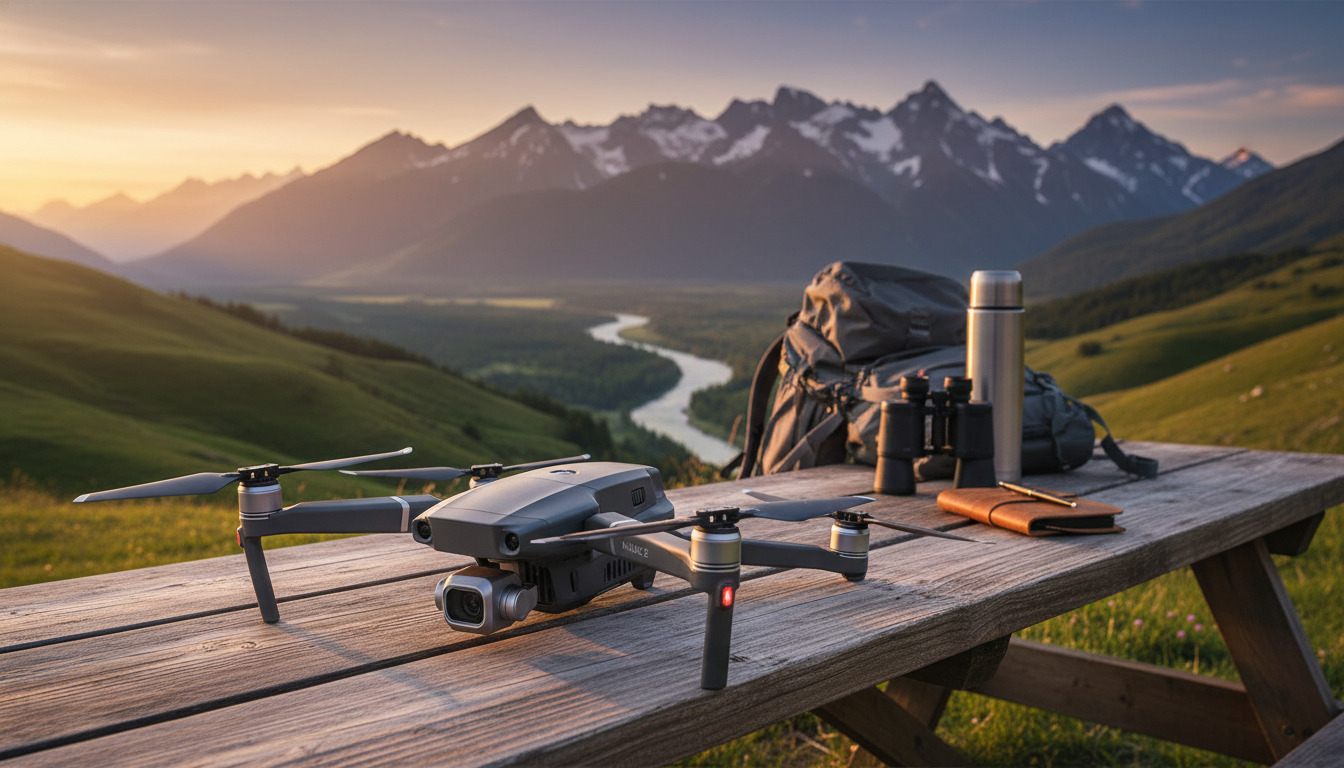
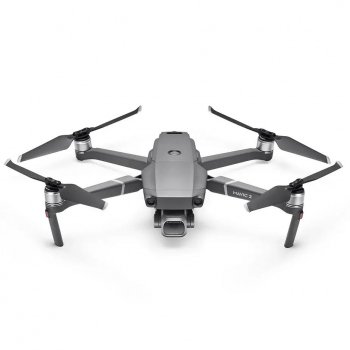
A professional aerial setup is defined by image quality, stability in challenging light, and enough flight time to capture multiple takes without rushing. This drone pairs 4K HDR capture with a Hasselblad camera and an extended-flight platform aimed at cinematic work, commercial real estate, inspections, and travel footage where consistent results matter.
For teams that need reliable footage in mixed lighting—bright skies over darker terrain, reflective rooftops, or late-day interiors opening to sunlit exteriors—this combination of dynamic range, color rendering, and endurance can reduce reshoots and speed up delivery.
HDR capture is most valuable when the scene has a “too bright and too dark at the same time” problem—think sunlit clouds above a shaded street grid. With HDR, highlight roll-off is typically more forgiving, and shadow detail can be lifted with fewer artifacts than a heavily pushed standard clip.
4K resolution adds flexibility beyond “sharpness.” It enables tighter crops, reframing for multiple aspect ratios, and additional stabilization while still delivering crisp output for common client needs. That means a single flight can support multiple edits: a wide establishing pass for context, plus punch-ins for details.
Hasselblad’s imaging character is often associated with smoother tonal transitions and consistent color reproduction. In real-world aerial work, that translates to less time chasing mismatched clips when a cloud moves in, the sun breaks through, or you rotate from one side of a building to another.
Longer flight time isn’t just convenience—it changes how you plan and how calm your flying feels. With more minutes available, it’s easier to capture an establishing wide shot, then run a second and third pass for details (signage, entrances, landscaping, rooftop features) without landing to swap batteries in the middle of the story.
| Step | What to check | Why it matters |
|---|---|---|
| Before leaving | Batteries charged, propellers inspected, firmware updated | Reduces in-field failures and unstable footage |
| At location | Weather, wind, visibility, and airspace restrictions | Improves safety and prevents interrupted shoots |
| Camera setup | HDR settings, resolution/frame rate, exposure method | Ensures consistent clips and fewer unusable takes |
| During flight | Safe altitude, obstacle awareness, return-to-home behavior | Protects equipment and maintains control |
| After flight | Backup footage and log settings used | Speeds up editing and makes reshoots easier |
For more context on the camera brand’s imaging heritage, visit the official Hasselblad site.
Model: 4K HDR Professional Drone with Hasselblad Camera and Extended Flight Time
Price: $3,247.49
Availability: In stock
Best for: creators and teams that prioritize dynamic range, consistent color, and longer sessions between landings.
Yes, especially in scenes with bright skies and darker ground, where HDR can preserve highlight detail while keeping shadows usable. Standard 4K may be enough in evenly lit conditions, but HDR helps when contrast spikes or lighting changes quickly during a flight.
Prioritize protecting highlights to avoid clipping, and use tools like histogram or zebras if available. Keep ISO as low as practical and aim for consistent exposure across a sequence so grading stays smooth and predictable.
Wind, speed, temperature, aggressive maneuvers, payload, and battery health all reduce real-world endurance. Plan a safety reserve so you can return and land under control rather than stretching the battery for one last pass.



Leave a comment