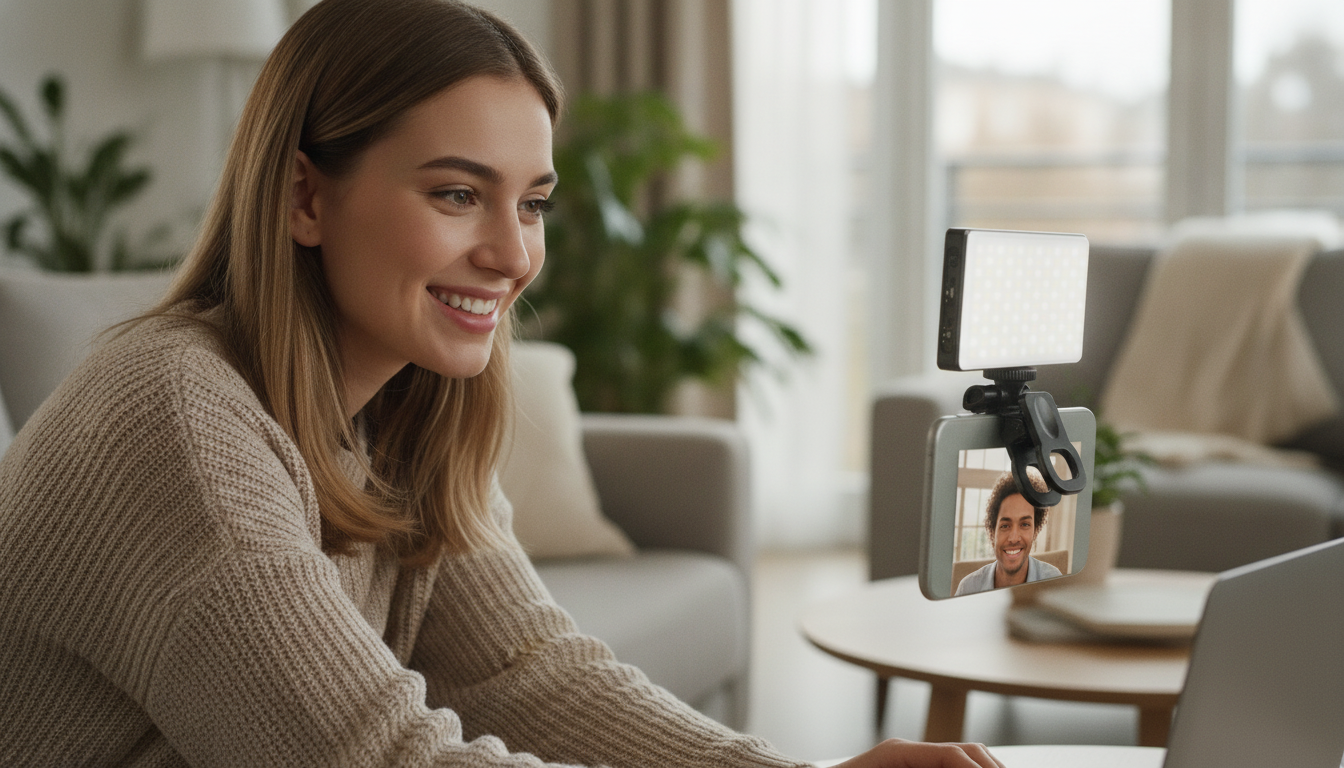
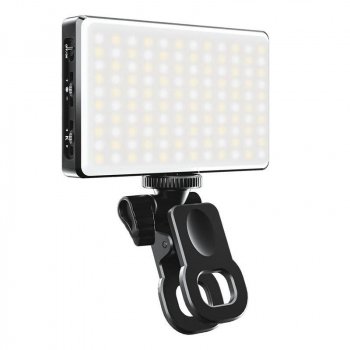
A compact clip-on light can solve harsh shadows, dim rooms, and uneven skin tones in selfies, video calls, and short-form videos. A 120 LED rechargeable phone light clip adds a controllable, front-facing glow that makes faces and small subjects look cleaner and more consistent—without needing a big ring light setup. Below is what this style of light changes, which features matter most, and how to set it up quickly for flattering results.
Most indoor lighting is overhead, uneven, or simply not bright enough for phone cameras. A rechargeable clip light brings the illumination back to the front of the face (near the lens), which is where it’s most useful for reducing shadows and improving clarity.
If you also adjust your phone’s camera exposure when needed, the combination is even stronger. Helpful references: Apple Support camera settings and Google Pixel Camera Help.
A “120 LED” panel typically indicates a wider spread than tiny selfie lights, which can create a hot spot in the center of the face. With more LEDs, the light tends to look smoother and more even at a comfortable distance.
| Feature | Why it matters | What to confirm before buying |
|---|---|---|
| LED count and light spread | Smoother, less spotty lighting | Even illumination without harsh hotspots |
| Brightness control | Matches different rooms and times of day | Multiple levels or easy dimming |
| Color tone options | Prevents overly warm or overly blue skin tones | Adjustable color temperature or balanced output |
| Battery and charging | Predictable runtime for shoots and calls | USB charging type, recharge time, usage duration |
| Clip fit and grip | Stays secure without blocking lenses | Works with phone cases and doesn’t cover cameras |
A clip-on LED light is most effective at close range, where the phone camera benefits from clean facial lighting or brighter detail on small subjects.
For creators who juggle quick filming plus planning and monetization, pairing a small lighting tool with practical guides can streamline the workflow. Consider the From Hustle to Holding | eBook for Turning Side Hustles Into Long-Term Assets for building longer-term value from content and offers.
Small lights are powerful because they’re close to the subject. The goal is controlled brightness and a centered position—so the light supports your features instead of overpowering them.
For style-focused creators shooting try-ons, lookbooks, or wardrobe edits, a consistent lighting setup helps colors read more accurately across clips. The Define Your Style With a Mood Board – Fashion Mood Board Guide can help keep visuals cohesive while your lighting keeps footage clean.
If content includes endorsements or affiliate partnerships, disclosures should remain clear and noticeable; the FTC’s guidance is a solid baseline: FTC: Disclosures 101 for Social Media Influencers.
Many clip lights work with slim cases, but thick or raised-edge cases can affect grip and lens clearance. If the camera is partially blocked, reposition the clip or temporarily remove the case for filming.
Start around mid-level brightness, then lower it until highlights on your forehead and cheeks look natural. Too much brightness can wash out skin tone and increase glare on glasses.
Runtime varies by battery capacity and brightness level, with longer use at lower settings. Charging before longer calls or recording sessions helps keep output steady throughout.


Leave a comment