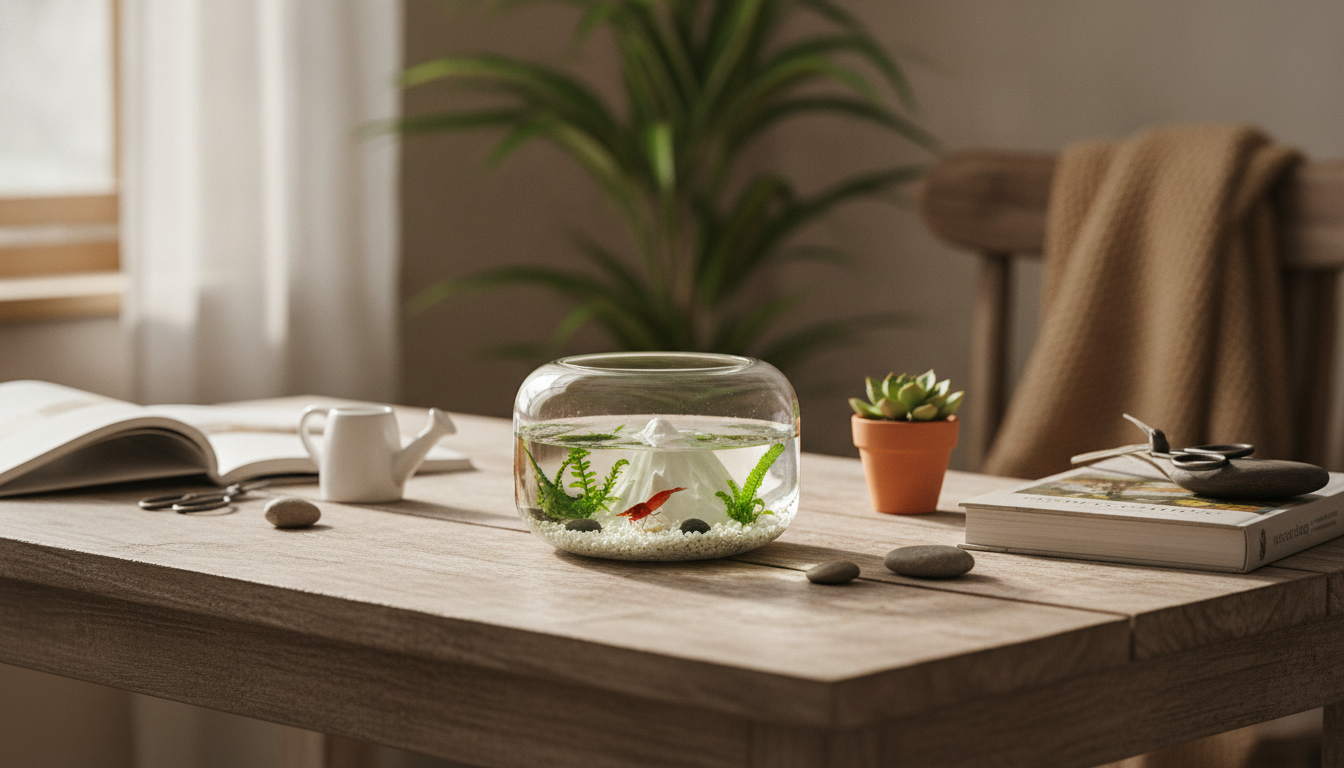
A mini glass fish bowl is an easy way to add a clean, modern touch to a shelf, desk, countertop, or event table. Because the glass is transparent from every angle, even a simple setup—pebbles, a single plant, and water—can look intentional and polished. The best results come from matching the bowl’s size and shape to your goal, using a stable surface, and following basic care steps (especially when any living animals are involved). For more guidance, see Glass fish bowls | AAP News | American Academy of Pediatrics.
Mini bowls shine when the display is simple, the footprint is small, and you want a clear view without bulky equipment. They’re also convenient for quick seasonal changes—swap stones, stems, or accents, and the look changes instantly. For further reading, see PetSmart Recalls Fish Bowls | CPSC.gov.
| Use | What works well | Key cautions |
|---|---|---|
| Planted bowl display | Low-maintenance aquatic plants, decorative stones | Avoid direct sun to reduce algae and overheating |
| Marimo or moss-style display | Simple water changes, gentle lighting | Use dechlorinated water; rinse décor before use |
| Temporary fish holding | Short observation or transfer | Not a long-term habitat; watch temperature and oxygen levels |
| Shrimp/snail viewing (short-term) | Brief viewing with plant cover | Stable parameters are hard in small volumes; avoid crowding |
| Candle/flower centerpiece | Elegant, minimal setup | Keep heat sources stable; protect surfaces from condensation |
Not all mini bowls feel the same in daily use. Small differences in thickness, rim finish, and base shape can determine how stable the bowl feels on a side table—and how pleasant it is to clean.
A bowl’s biggest limitation is volume: small amounts of water change quickly. Temperature can swing faster, waste concentrates sooner, and water quality is harder to keep stable. That’s why bowls are typically most reliable for plant-forward or décor-only displays.
For general best practices on pet fish care and habitat needs, the American Veterinary Medical Association (AVMA): Caring for pet fish is a helpful reference.
Keeping a mini glass bowl looking crisp usually comes down to three things: avoiding residue, controlling light, and using gentle tools that won’t scratch glass.
Mini bowls look best with a clear “main character” element—one plant, one stone, or one floating feature—supported by subtle texture underneath.
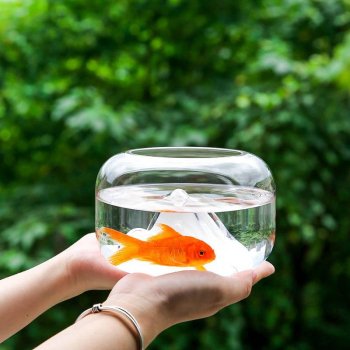
Long-term fish care usually requires adequate volume, stable temperature, and filtration, and small bowls can swing quickly in water quality. A plant-only display is often simpler, while fish are typically better suited to a properly sized, filtered aquarium.
Use dechlorinated water, avoid soap, and clean with soft sponges to prevent scratches. When needed, move animals briefly to a safe container during cleaning and rely on partial water changes and gentle wiping to keep the bowl clear.
Use a coaster, felt pad, cork mat, or waterproof tray to improve grip and prevent water rings. Condensation and small splashes are common with open-top bowls, so surface protection helps keep furniture looking its best.




Leave a comment