HomeBlogBlogMini Glass Fish Bowl Ideas: Décor, Plants & Easy Care

Mini Glass Fish Bowl Ideas: Décor, Plants & Easy Care

Mini Glass Fish Bowl Ideas: Décor, Plants & Easy Care

Mini Glass Fish Bowl: A Clear, Versatile Accent for Aquatic and Decorative Displays

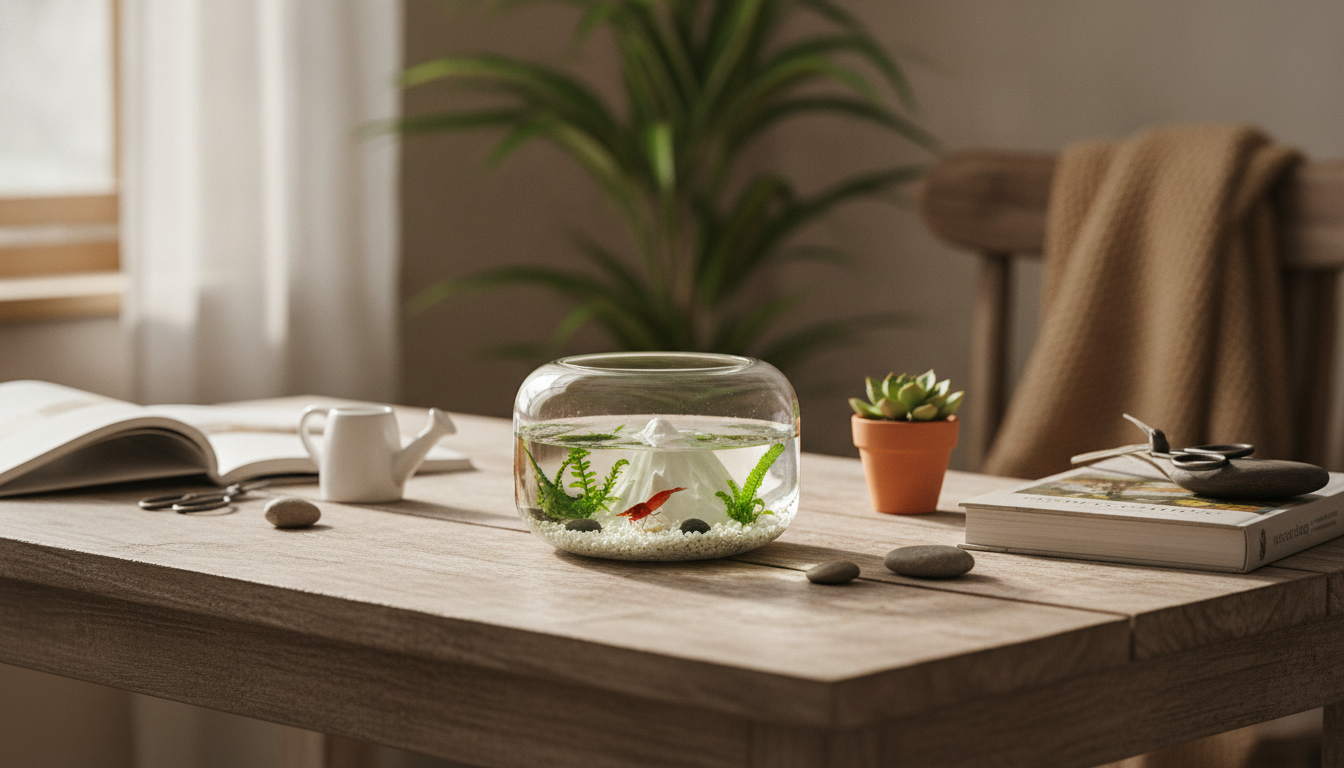
A mini glass fish bowl is an easy way to add a clean, modern touch to a shelf, desk, countertop, or event table. Because the glass is transparent from every angle, even a simple setup—pebbles, a single plant, and water—can look intentional and polished. The best results come from matching the bowl’s size and shape to your goal, using a stable surface, and following basic care steps (especially when any living animals are involved). For more guidance, see Glass fish bowls | AAP News | American Academy of Pediatrics.

What a mini glass bowl is best for

Mini bowls shine when the display is simple, the footprint is small, and you want a clear view without bulky equipment. They’re also convenient for quick seasonal changes—swap stones, stems, or accents, and the look changes instantly. For further reading, see PetSmart Recalls Fish Bowls | CPSC.gov.

  • Tabletop décor: Clean lines, clear viewing, and easy placement on shelves, desks, and counters.
  • Planted displays: Marimo moss balls, pothos cuttings (roots in water), or small aquatic plants arranged with stones or sand.
  • Temporary holding (short-term only): Acclimation, quick observation, or brief transfer during tank maintenance.
  • Event styling: Floating candles or floral arrangements (keep heat away from glass edges and never leave open flames unattended).
  • Small aquascape accents: Stones, sand, driftwood pieces, and a single focal plant for a minimalist look.

Common uses and practical notes

Use What works well Key cautions
Planted bowl display Low-maintenance aquatic plants, decorative stones Avoid direct sun to reduce algae and overheating
Marimo or moss-style display Simple water changes, gentle lighting Use dechlorinated water; rinse décor before use
Temporary fish holding Short observation or transfer Not a long-term habitat; watch temperature and oxygen levels
Shrimp/snail viewing (short-term) Brief viewing with plant cover Stable parameters are hard in small volumes; avoid crowding
Candle/flower centerpiece Elegant, minimal setup Keep heat sources stable; protect surfaces from condensation

Material and build details that matter

Not all mini bowls feel the same in daily use. Small differences in thickness, rim finish, and base shape can determine how stable the bowl feels on a side table—and how pleasant it is to clean.

  • Glass clarity and thickness: Thicker walls generally feel more stable and resist minor bumps better.
  • Rim style: Smooth edges reduce the chance of chips and make cleaning safer.
  • Base stability: A flatter, wider base lowers tipping risk on small tables and crowded desktops.
  • Shape considerations: Round bowls look classic but can be harder to pair with filters/heaters; wider openings improve access for cleaning and planting.
  • Surface protection: Use a coaster or mat to prevent water rings, improve grip, and reduce condensation marks.

Size, stocking, and welfare considerations

A bowl’s biggest limitation is volume: small amounts of water change quickly. Temperature can swing faster, waste concentrates sooner, and water quality is harder to keep stable. That’s why bowls are typically most reliable for plant-forward or décor-only displays.

  • Small volumes change quickly: Temperature swings, pH shifts, and waste buildup happen faster in a bowl than in a larger tank.
  • If keeping fish: Prioritize adequate volume, filtration, and heat when needed; many fish commonly shown in bowls require larger, filtered aquariums.
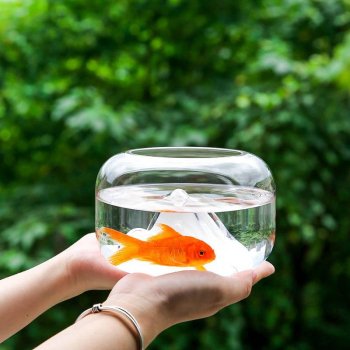
  • Goldfish note: Bowls are generally unsuitable long-term due to growth, oxygen needs, and high waste output. For welfare guidance, see RSPCA: Goldfish care.
  • Maintenance reality: If a bowl is used with living animals at all, frequent testing and water changes become essential.
  • Low-effort option: Plant-only or décor-only setups are typically the most stable and stress-free to maintain.

For general best practices on pet fish care and habitat needs, the American Veterinary Medical Association (AVMA): Caring for pet fish is a helpful reference.

Care and maintenance for a clean, clear display

Keeping a mini glass bowl looking crisp usually comes down to three things: avoiding residue, controlling light, and using gentle tools that won’t scratch glass.

  • Cleaning routine: Rinse décor before use; wipe the exterior with a microfiber cloth to prevent streaks and fingerprints.
  • Water quality basics: Use dechlorinated water for any aquatic setup; avoid soap inside the bowl (residue can linger even after rinsing).
  • Algae control: Keep out of direct sunlight, reduce excess nutrients, and perform partial water changes as needed.
  • Safe handling: Lift with two hands from the base; avoid twisting pressure on the rim when moving a filled bowl.
  • Scratch prevention: Use soft sponges; skip abrasive pads and rough gravel vac tools that can haze the glass over time.

Styling ideas for a mini bowl centerpiece

Mini bowls look best with a clear “main character” element—one plant, one stone, or one floating feature—supported by subtle texture underneath.

Featured option: Mini Glass Fish Bowl

More in-stock picks

FAQ

Can fish live in a glass bowl long term?

Long-term fish care usually requires adequate volume, stable temperature, and filtration, and small bowls can swing quickly in water quality. A plant-only display is often simpler, while fish are typically better suited to a properly sized, filtered aquarium.

How do you clean a glass fish bowl without harming plants or animals?

Use dechlorinated water, avoid soap, and clean with soft sponges to prevent scratches. When needed, move animals briefly to a safe container during cleaning and rely on partial water changes and gentle wiping to keep the bowl clear.

What should be put under a glass bowl on a table?

Use a coaster, felt pad, cork mat, or waterproof tray to improve grip and prevent water rings. Condensation and small splashes are common with open-top bowls, so surface protection helps keep furniture looking its best.

Was this article helpful?

Yes No
Leave a comment
Top

Yay! 10% Off Just for You!

Join our community and enjoy 10% off your first order. Subscribe for exclusive deals!

Shopping cart

×