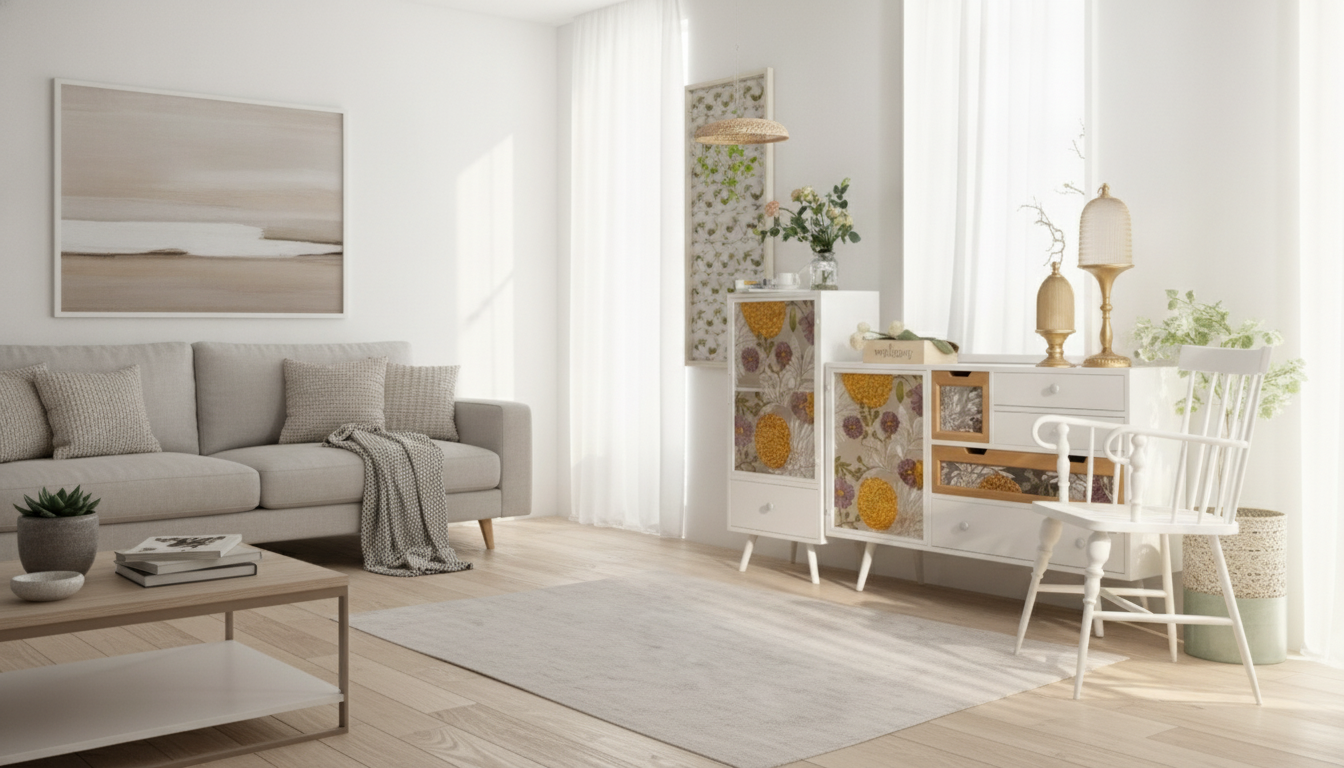
A well-designed living room cabinet brings order to everyday essentials while adding warmth and architectural balance to the space. This luxury wooden cabinet combines open shelving and closed drawers to create a clean, modern storage setup that works for media accessories, books, decor, and daily clutter—without making the room feel crowded.
When shelves and drawers are planned as one system, the cabinet becomes more than storage: it becomes a visual anchor that helps the entire room feel finished, intentional, and easier to live in day after day.
For homes prioritizing healthier indoor spaces, it’s also smart to review general guidance on indoor air considerations and materials. The EPA provides a helpful overview of formaldehyde and indoor air, including practical steps that can reduce exposure.
A helpful rule: keep everyday-use items at hand level, display-only pieces slightly higher, and heavier items (spares, extra cables, board games) lower for stability and ease.
| Placement Goal | What to Measure/Check | Why It Matters |
|---|---|---|
| Main wall storage | Wall width and adjacent furniture spacing | Prevents a cramped look and keeps the room visually balanced |
| Media and accessories | Power outlet location and cable path | Avoids exposed cords and awkward device placement |
| High-traffic zone | Clearance for drawer pull-out and walking path | Reduces daily friction and protects hardware from bumps |
| Display styling | Shelf height vs. decor sizes | Helps prevent cluttered shelves and makes styling easier |
For general wood behavior—like seasonal expansion, surface sensitivity, and why finishes matter—the U.S. Forest Service Wood Handbook is a useful reference.
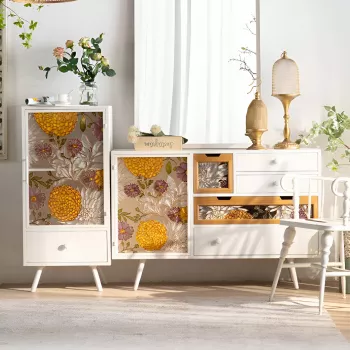
If the goal is a modern storage organizer that blends display space with hidden organization, Luxury Wooden Living Room Cabinet with Shelves & Drawers – Modern Storage Organizer is designed to do both in one refined silhouette. Open shelves keep favorite pieces visible, while drawers make it easier to maintain a calm, uncluttered room even during busy weeks.
To make the setup feel even more effortless, pair your storage plan with small, easy-to-stow items you already own. For example, a drawer can double as a pet-toy bin for Dog Training Toy, while a “paperwork” drawer can hold printouts and wellness notes from a compact digital resource like High-Protein Ideas for Muscle Recovery Checklist | Digital Download.
Use shelves for decor and items that look good on display, and reserve drawers for cords, remotes, paperwork, and small accessories. A simple zoning approach works well: daily-use items in the easiest-to-reach drawer, occasional items lower, and display pieces on the most visible shelves.
Measure wall width, cabinet depth, and the full drawer-opening clearance, then confirm spacing around nearby furniture so traffic paths stay comfortable. Also check outlet locations and plan cable access if the cabinet will support electronics.
Dust regularly with a microfiber cloth, use coasters and felt pads to prevent marks, and clean spills quickly without soaking edges. Limit prolonged direct sunlight when possible and tighten hardware occasionally to keep drawers operating smoothly.






Leave a comment