
For many beginners, a computerized (GoTo) telescope is worth it because it reduces the biggest early frustration: finding objects. Instead of spending the first hour star-hopping and second-guessing charts, a computerized mount can guide the telescope to popular targets like the Moon, Jupiter, Saturn, bright nebulae, and star clusters. That faster “first success” often means the hobby sticks.
Computerized models also help when observing conditions aren’t ideal. In light-polluted neighborhoods or hazy skies, it can be hard to locate dim objects by eye. GoTo systems can place the target in or near the eyepiece even when fewer guide stars are visible, making sessions more productive and less discouraging.
That said, they’re not automatically the best choice for every newcomer. A computerized scope costs more than a comparable manual setup, needs power (batteries or an external pack), and requires an alignment step each session. If you want the simplest “grab-and-go” experience, or you enjoy learning constellations and navigating the sky manually, a manual telescope can feel more straightforward and teach foundational skills faster.
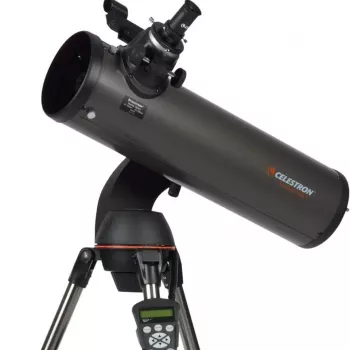
The most “worth it” scenario is when the computerized system is reliable and the alignment process is beginner-friendly. Features like streamlined alignment routines and stable mounts matter as much as raw aperture. For a closer look at how modern alignment works and what to expect from a compact computerized Newtonian reflector, visit this guide to computerized telescopes and SkyAlign-style setup.
Bottom line: if quick object finding and smoother early sessions sound appealing, a computerized telescope is a smart beginner upgrade. If budget, simplicity, and learning the sky are top priorities, start manual and consider GoTo later.
For Computerized (GoTo) Telescopes: Worth It for Beginners?, the best answer depends on fit, material, care instructions, and how the product will be used day to day.
No. Many computerized telescopes work with a hand controller and internal database; apps are optional conveniences for planning and control on compatible models.





Leave a comment