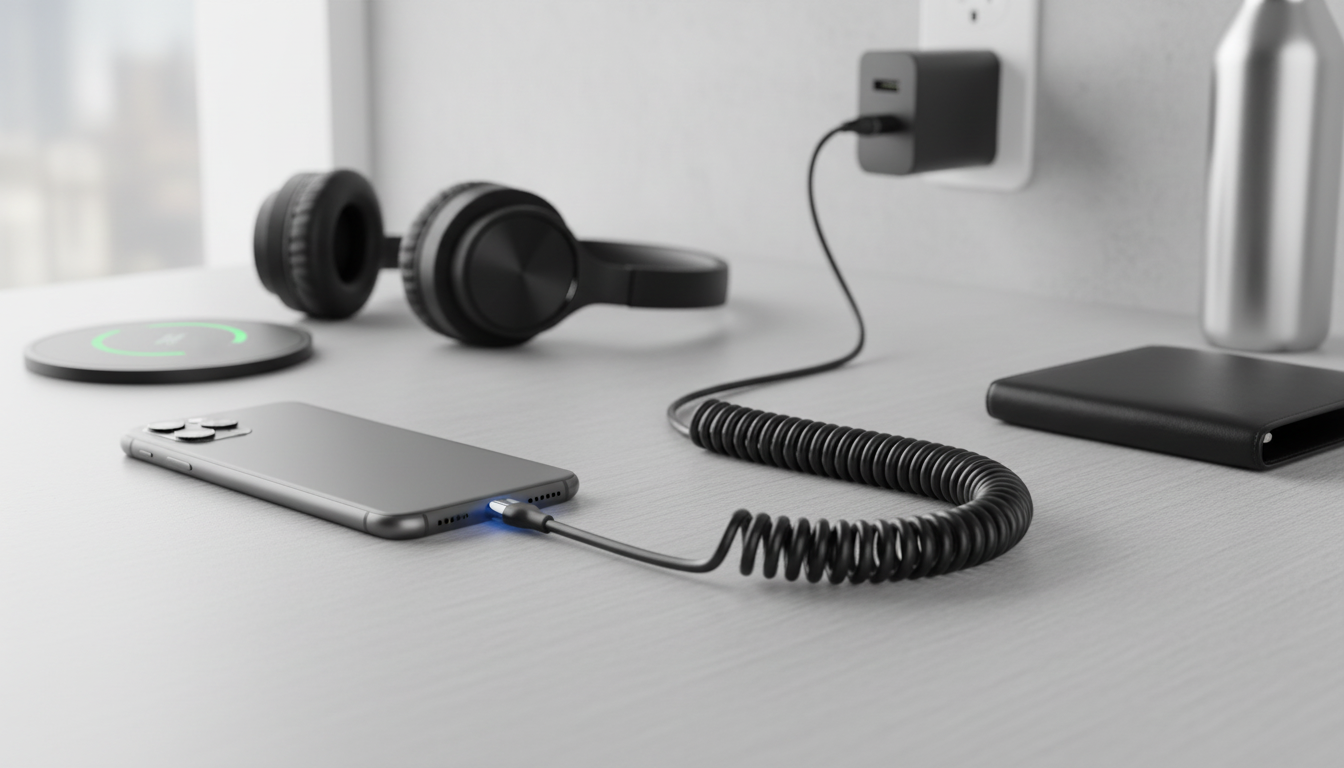
Yes—100W USB-C is considered fast charging, and it’s at the high end for USB-C Power Delivery (USB PD). A 100W charger can deliver up to 20V at 5A, which is enough to quickly charge many laptops, tablets, handheld gaming devices, and power-hungry phones (when the device allows it). For a phone, 100W is typically “more than needed,” but it can still be beneficial because the charger has plenty of headroom and can supply stable power.
The 100W rating is the maximum power the charger and cable can negotiate and sustain under USB PD. Your device will only draw what it supports. If your phone tops out at 27W or 45W, plugging it into a 100W charger won’t force 100W into it; it will charge at its own limit.
You’ll see the biggest gains on devices designed for higher-wattage charging, especially USB-C laptops and some tablets. A 100W setup is also useful when charging while using the device (video calls, navigation, gaming), because it can keep up with power demand and still refill the battery.
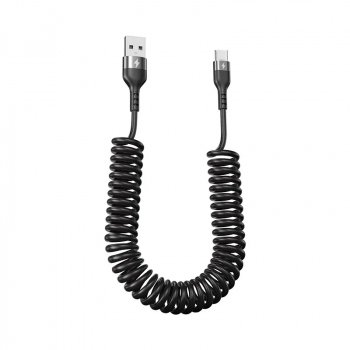
To reach 100W, you need three things: a USB-C PD charger that supports 100W output, a device that can accept high-wattage PD input, and a compatible cable. Many older or thinner USB-C cables are limited to 60W (3A). For 100W, look for a 5A-rated USB-C cable (often called an “e-marked” cable). In the car, a tidy, well-built USB-C cable helps maintain a reliable connection—see the related guide here: https://blysseria.com/guide-66w-retractable-usb-c-car-cable-fast-tidy-charging/.
Generally, yes. USB PD uses negotiation between the charger and device, so power delivery is controlled. The main risks come from low-quality chargers or cables that overheat or don’t meet specifications—especially in hot car interiors—so choose reputable hardware.
No. With USB PD, the device requests the power level it can handle, so a 30W device will typically draw up to about 30W even when connected to a 100W charger.






Leave a comment