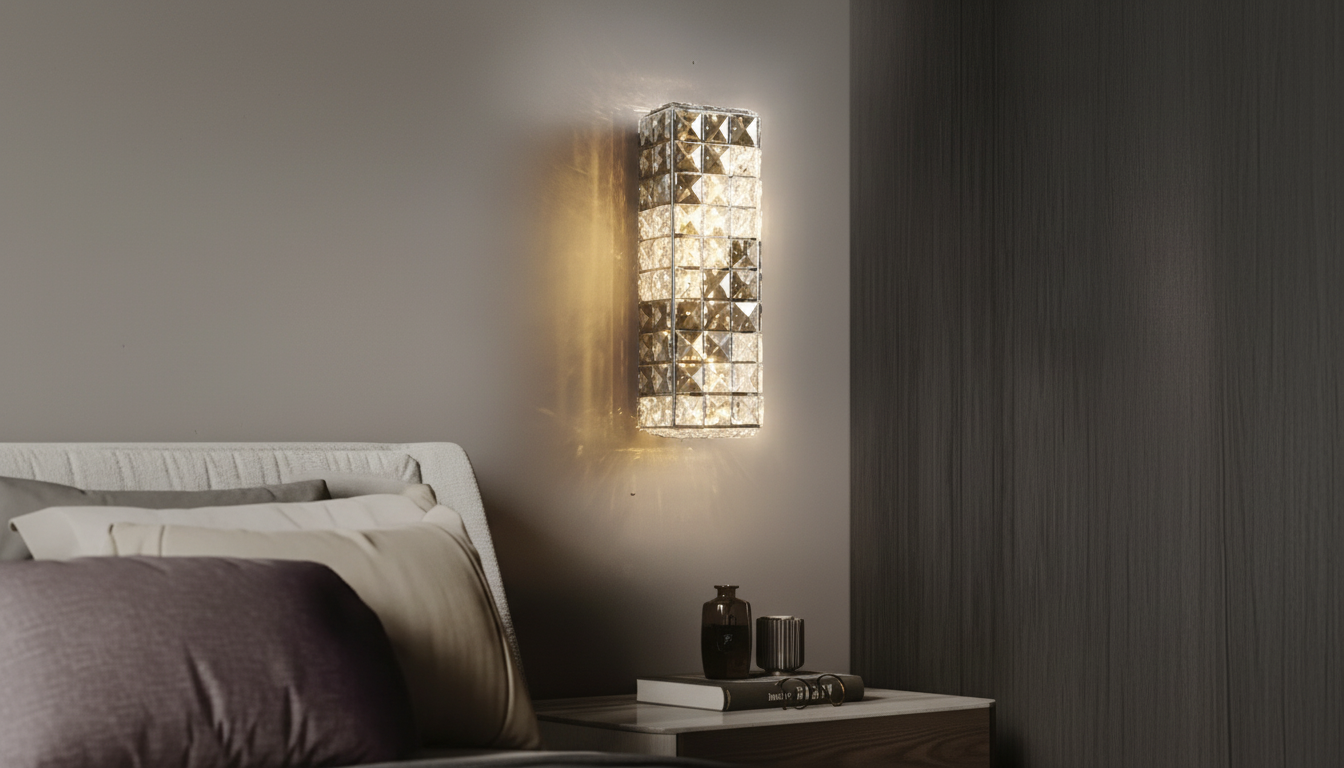
Wall sconces can be bright enough for a living room, but it depends on what role you want them to play. As accent lighting—highlighting artwork, adding glow to a seating area, or creating a relaxed evening mood—sconces often deliver plenty of light. For full-room, “do everything” illumination, they usually work best when paired with other fixtures like a ceiling light, recessed cans, or a floor lamp.
Many modern wall sconces range from about 400 to 1,000 lumens per fixture, and some go higher. Two to four sconces spaced around the room can add up quickly, especially when they use efficient LED sources. For example, a pair of 800-lumen sconces can give a noticeable boost to overall brightness, but may still feel softer than an overhead fixture—often a plus for living rooms.
Sconces can serve as primary lighting in smaller living rooms, open layouts with lots of natural light, or spaces designed for ambiance over task work. Up-and-down light styles can brighten both the wall and ceiling, helping the room feel more evenly lit. Dimmable sconces also make it easier to shift from daytime brightness to a calmer nighttime setting without changing bulbs.
If the living room is used for reading, kids’ activities, detailed hobbies, or frequent entertaining, sconces alone may leave shadows or dim corners. In that case, combine them with layered lighting: a ceiling fixture for general illumination, a table or floor lamp near seating for task light, and sconces to add polish and visual comfort.
Shade material, bulb color temperature, and placement all matter. Clear or open designs typically feel brighter than opaque shades, and warm-white LEDs (around 2700K–3000K) create a cozy look that can read slightly softer than cooler light. Mounting height and aiming (for adjustable sconces) can reduce glare while still putting light where it’s needed.
For a practical example of a reflective, room-enhancing option, see this guide: chrome crystal LED wall lamp for bedroom and living room.
Most living rooms look balanced with two to four sconces, depending on room size and what other lights you have. Use more if they’re your primary ambient light, and fewer if they’re mainly decorative or used to frame a focal point like a fireplace.





Leave a comment