
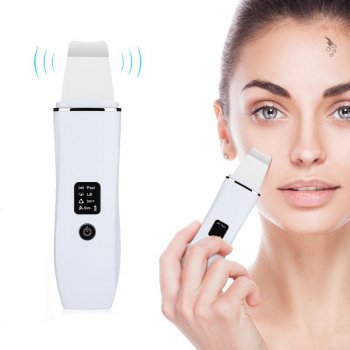
Yes—an ultrasonic skin scrubber can really work for surface-level congestion, especially when you’re dealing with buildup that sits close to the top of the pore. These devices use high-frequency vibrations with a thin metal spatula to help lift softened debris (like excess oil, dead skin, and residue) off the skin. When used on damp skin, many people notice a smoother feel right away and a more “clean” look to areas like the nose and chin.
The most consistent benefits are gentle exfoliation and improved texture. If you have visible blackheads, an ultrasonic scrubber may reduce their appearance over time, but it won’t “vacuum out” deep, stubborn clogs in one pass. Some blackheads are oxidized plugs that sit deeper in the pore, and those typically need a longer routine (and sometimes professional care) to noticeably shrink.
Think of it as a tool that supports a skincare routine, not a one-step fix. Used regularly and correctly, it can help your products apply more evenly and may make pores look less obvious simply because the surface is less rough and congested.
Ultrasonic skin scrubbers tend to work best on hydrated, softened skin—after cleansing and a warm shower or a brief warm compress. They’re less effective on dry skin, where the spatula can drag and cause irritation. They’re also not ideal for inflamed acne, open lesions, or very sensitive skin, since overuse can worsen redness.
Keep the skin wet, hold the blade at a slight angle, and glide without pressing hard. A light touch is enough; pressure increases the risk of micro-irritation. Limit sessions to a few minutes per area and follow with a soothing moisturizer. For a step-by-step walkthrough and tips that prevent common mistakes, see this guide to using an ultrasonic blackhead remover scrubber.
Most people do well with 1–3 times per week, depending on sensitivity. Using it too often can lead to irritation or dryness, especially if you also use exfoliating acids or retinoids.






Leave a comment