
Some people seem immune to gifting: they buy what they want, dislike clutter, or answer every question with “nothing.” A better approach is to treat gift-giving like a small design challenge—identify constraints, gather clues, and choose something that makes them feel unusually “seen,” even if it’s simple. Below is a practical framework, quick idea generators, and low-risk options that work for picky recipients, minimalists, and people with very specific tastes.
Pick something clearly chosen for them, but not so specific that one wrong detail ruins it. Example: a gift card to a beloved local spot plus a note about why you chose it is often safer than a bold item in an uncertain style. Fit matters; gifts feel best when they match the recipient (a principle echoed in research-focused discussions of recipient-centered giving, such as summaries you’ll find via Harvard Business Review).
| Recipient type | Best clues to look for | Low-risk gift direction | Examples |
|---|---|---|---|
| Minimalist | What they keep on the counter; brands they trust | Upgrade a daily essential | Better version of their staple, refillable items, quality accessories |
| Picky taste | Saved links, favorite stores, repeat purchases | Let them choose within a curated lane | Store credit with a note, membership, guided “pick one of three” options |
| Busy or burned out | Complaints about time and chores | Reduce friction | Meal shortcuts, smart organizers, subscription refills |
| Sentimental | Photos, family stories, keepsakes | Meaning over novelty | Photo prints, custom note, memory box, donated-in-their-name |
| Hard-to-read | Small reactions; what they schedule time for | Experiences or consumables | Tickets, classes, specialty snacks/coffee/tea, seasonal treats |
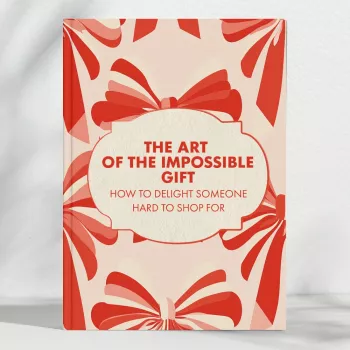
When someone gives no clues, rejects common categories, or already owns everything obvious, a structured guide helps you choose quickly without spiraling into guesswork. The Art of the Impossible Gift: How to Delight Someone Hard to Shop For is designed as a “decision tool” with prompts to narrow options fast, lightweight questions that won’t ruin the surprise, and idea paths based on personality and constraints.
Look for routine support and enrichment—tools that make training, play, or habitat upkeep easier. For dog households, a focused option like the Dog Training Toy can feel thoughtful because it supports an everyday priority. For bird owners who value useful upgrades, the Durable Plastic Bird Nest Cage fits the “upgrade what they already use” principle.
If the recipient enjoys practical, structured tools (and has actually mentioned nutrition, training, or recovery), a small digital resource can be a tidy, no-clutter gift. The High-Protein Ideas for Muscle Recovery Checklist works best when it matches an expressed goal and is paired with a note that connects it to their routine.
Experiences, consumables, and upgrades to something they already use are typically the safest because they reduce clutter and guesswork. A curated gift card to a known favorite can also feel personal when it’s paired with a short note and flexible returns.
Choose a non-clutter option: a donation, shared time, or a replenishment of an essential they’ll use anyway. Keep it small, practical, and paired with a sincere note so it feels like care, not pressure.
Add context about why you chose that place and what you imagine they’ll enjoy there. Pair it with a tiny related item (or a short list of picks to try) and suggest an easy first use, like a date window or a simple plan.






Leave a comment