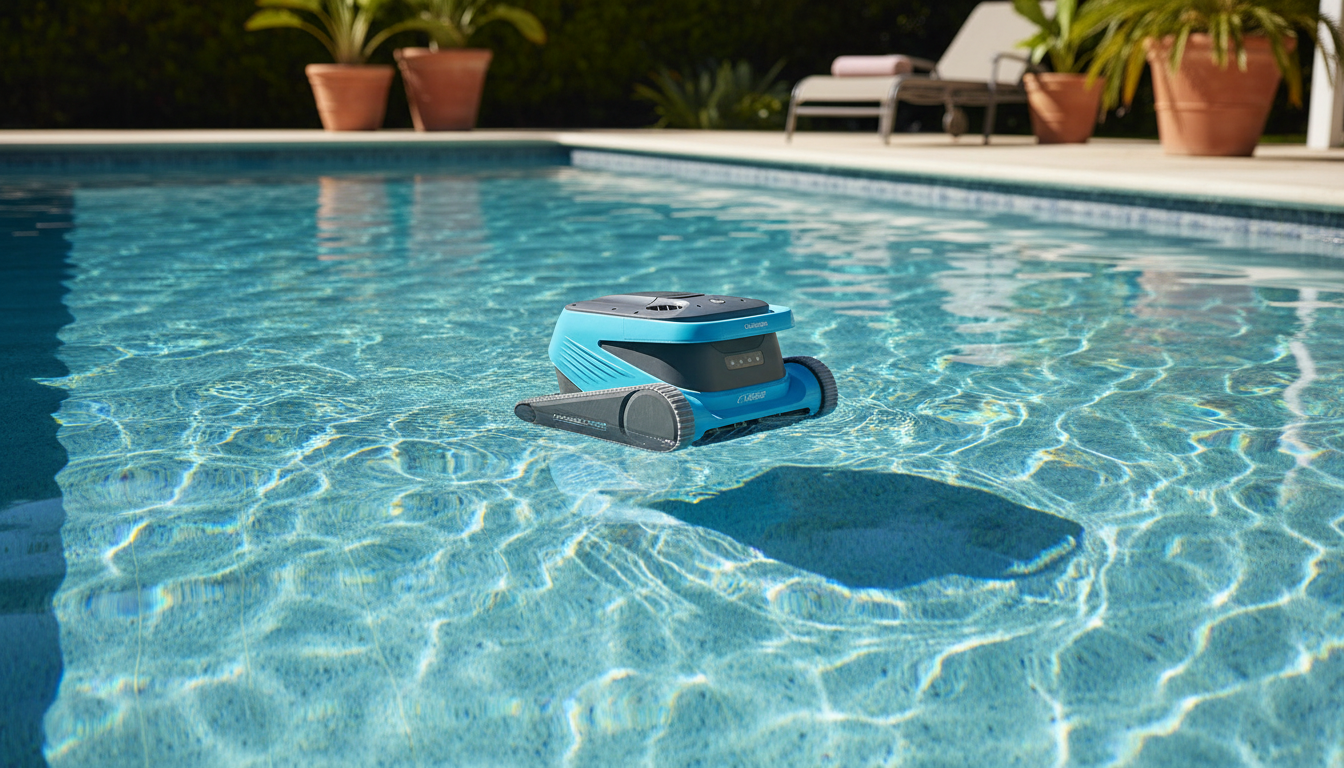
A robotic pool cleaner can take over the most time-consuming parts of pool maintenance—floor pickup, wall climbing (on supported surfaces), and capturing fine debris—while reducing manual vacuuming. This guide covers what an efficient automatic robotic vacuum should do across common pool types, how to set it up for consistent cleaning, and what to check so it keeps performing season after season.
Efficiency isn’t just about finishing a cycle—it’s about delivering repeatable results with minimal babysitting. A strong robotic cleaner should:
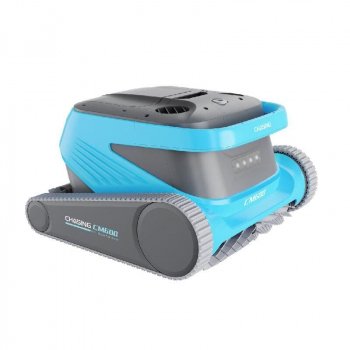
If you’re shopping for a ready-to-run option, the Efficient Robotic Pool Cleaner Automatic Vacuum for All Pool Types is designed for hands-off cleaning with routine filter care and sensible setup.
“All pool types” often means broad compatibility, but performance still depends on matching the cleaner to your pool’s geometry, surface, and debris load. Before buying (and before each run), verify:
| Pool situation | What to prioritize | Practical tip |
|---|---|---|
| Vinyl liner pools | Gentle-but-grippy brushes and stable traction | Keep the liner free of sharp debris before running to reduce snag risk |
| Fiberglass pools | Non-marking traction and fine filtration | Rinse filters after dusty days to prevent cloudy water from recirculating |
| Plaster/pebble finishes | Strong climbing ability and durability | Run more frequently during high debris weeks to prevent grit buildup |
| Above-ground pools | Wall reach suited to vertical walls and coves | Confirm cord/coverage is sized for diameter and depth |
| Pools near trees | Large debris handling and easy-to-empty basket/filter | Skim first after storms to reduce clogging and improve cycle time |
Robotic pool cleaners typically combine mechanical scrubbing with suction and filtration. The details matter, especially when your pool conditions change week to week.
Safety still matters during routine operation. Keep cords and controllers set up to avoid trip hazards, and follow general pool-area safety best practices from the U.S. Consumer Product Safety Commission.
If you want a streamlined start, the Efficient Robotic Pool Cleaner Automatic Vacuum for All Pool Types pairs well with a simple routine: place it consistently, keep filters clean, and change the starting location occasionally to improve overall coverage.
For pool owners managing a rental property or a small service route, keeping written checklists helps standardize results across different pools. If you’re building processes for any kind of recurring work, From Hustle to Holding | eBook for Turning Side Hustles Into Long-Term Assets can be a helpful framework for turning “remember to do it” tasks into repeatable systems.
It depends on the model’s design and whether it supports your pool’s wall geometry, depth, and total coverage area. Always match the cleaner’s specifications to your pool type (above-ground or in-ground), surface material, and size.
Rinse the filter after each run during heavy debris periods to prevent suction loss and keep water clear. During lighter debris weeks, clean it regularly anyway—waiting too long often leads to reduced performance and more missed debris.
Yes, especially when the cleaner uses fine filtration designed to capture smaller particles. Because fine filters can clog faster, expect to rinse them more often after windy days or when pollen and dust are high.





Leave a comment