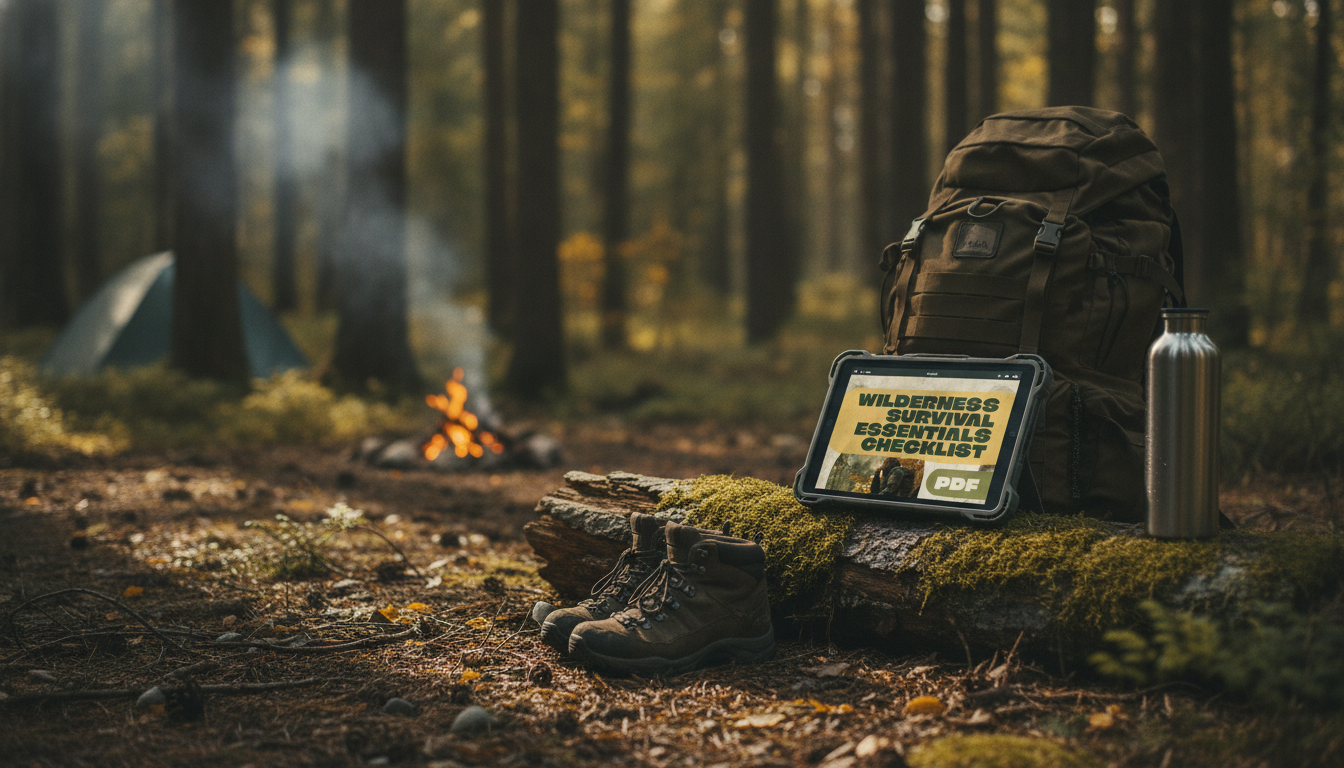
A reliable checklist removes guesswork when time, weather, and daylight are working against you. The goal isn’t to pack everything—it’s to cover the problems that actually show up outdoors: getting found, staying warm and dry, staying hydrated, and managing injuries. Below is a practical packing system you can reuse for day hikes, overnight trips, and even a “stay-put” emergency when travel is unsafe.
“Essentials” are the items that help solve the most common, highest-impact issues: navigation errors, sudden weather shifts, darkness, dehydration, and preventable injuries. A good essentials kit isn’t about fear; it’s about reducing small problems before they snowball.
For safety guidance and trip fundamentals, it helps to cross-check park rules and trail alerts. The National Park Service hiking safety page is a solid baseline, and NOAA forecasts can help you spot wind, precipitation, and temperature shifts that don’t show up in a single app summary.
Instead of memorizing a long list, pack by category. If each category is covered, you’re far less likely to miss something critical.
Use this table as a quick pre-trip scan: mark items as packed at home, then do a final pocket/pack check at the trailhead. Add a “trip-specific” line (snow travel, desert heat, bug season, river crossings) so the checklist grows with experience instead of getting ignored.
| Category | Must-Pack Items | Optional Upgrades | Notes to Customize |
|---|---|---|---|
| Navigation | Map, compass, offline maps | GPS device | Route notes, bailout points, time estimates |
| Light | Headlamp, spare batteries | Backup mini light | Check battery level before leaving |
| Signal | Whistle, bright cloth | Mirror, satellite messenger | Share trip plan with a contact |
| First Aid | Blister kit, bandages, antiseptic | SAM splint, tweezers | Add personal meds + allergy plan |
| Fire/Heat | Lighter + backup, tinder | Fire starter, hand warmers | Follow fire bans and conditions |
| Shelter | Emergency bivy/tarp, cordage | Ultralight tent | Wind + rain change shelter needs |
| Water | Bottles/reservoir, treatment | Backup tablets | Increase capacity in hot/dry areas |
| Food | High-calorie snacks + spare meal | Stove + fuel | Plan extra for delays |
| Clothing | Rain shell, insulation layer | Extra socks, gloves | Match layers to temp swings |
| Tools/Repair | Knife/multi-tool, tape | Gear patches, mini sewing kit | Fixes for pack straps + shoes |
If you want a ready-to-use format you can reuse and edit, the Wilderness Survival Essentials Checklist (digital download) is built around the same category system, making it easy to pack consistently and refine your kit after every trip.
For people who like building repeatable systems in other areas too, the same “checklist + review” approach can apply to projects and long-term planning. If that’s useful, From Hustle to Holding (digital download) focuses on turning effort into durable, trackable assets, while Aim High, Teach Bold (digital download) offers a structured approach to setting and reviewing goals—useful anytime you want fewer last-minute scrambles and more dependable routines.
Cover the essentials categories: navigation, light, signaling, first aid, shelter, fire/heat, water plus treatment, food, extra layers, and basic tools/repair. Then tailor the exact items to the conditions and how far you’ll be from help.
Start with a core list that never changes, then add seasonal modules like winter insulation/traction, rain protection, heat/sun water capacity, or bug protection. The more remote the trip, the more you should add redundancy (backup water treatment, extra calories, and reliable signaling).
Digital checklists are easy to duplicate and edit for each trip, while printed checklists are fast to use at a gear bin or during a trailhead scan. Using both is often the most reliable setup.





Leave a comment