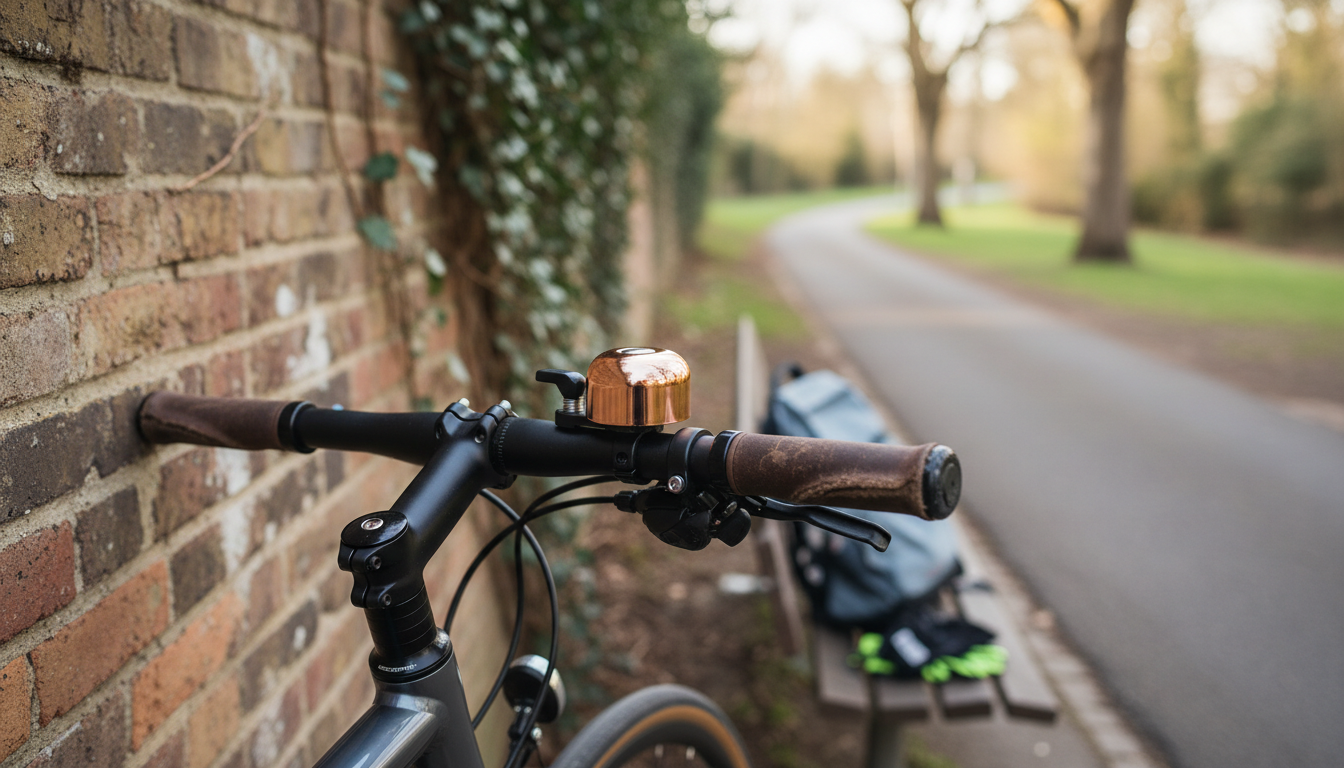
A reliable bike bell helps communicate clearly on shared paths and city streets. This adjustable copper bell is designed to mount securely, ring with a crisp tone, and fit a range of handlebar setups without adding clutter to the cockpit. Whether you’re weaving through a campus walkway or rolling along a mixed-use trail, a quick, recognizable ring can prevent surprises and make passing smoother for everyone.
The best bell is the one that’s easy to use and easy to trust. A clear ring matters, but so does how the bell sits on your bars and how naturally you can trigger it in real traffic.
For broader riding safety basics—positioning, visibility, and awareness—see guidance from NHTSA Bicycle Safety and the League of American Bicyclists.
Copper and copper-alloy bells are known for a bright, resonant ring with a pleasant decay that pedestrians tend to recognize quickly. That “classic bell” character can be especially helpful on shared-use paths, where a friendly sound often gets a faster, calmer reaction than something harsh or electronic.
| Material/Finish | Typical sound character | Maintenance notes |
|---|---|---|
| Copper / copper-alloy | Bright, resonant, clear attack | Wipe dry; avoid abrasive polishing on coated surfaces |
| Aluminum | Sharp, often slightly higher pitch | Generally low maintenance; check mount bolts |
| Plastic/Composite | Duller, shorter ring | Inspect for cracking and UV wear |
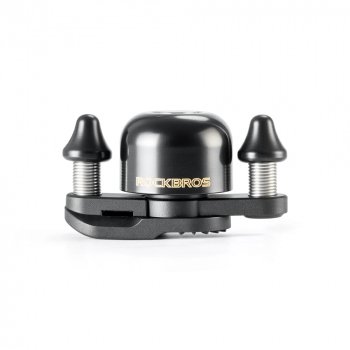
An adjustable clamp is ideal for riders who don’t want to guess whether a bell will match their handlebar setup. Flat-bar bikes—commuters, hybrids, many e-bikes, and kids’ bikes—often use common diameters, but cockpit space can still be tight once you add lights, phone mounts, and control pods.
| Check | Why it matters | What to do if it fails |
|---|---|---|
| Thumb can strike without changing grip | Maintains control in traffic | Shift bell closer to grip or rotate bell body |
| No contact with shifter/brake hardware | Prevents missed shifts and rubbing | Slide controls slightly or move bell to opposite side |
| Bell doesn’t rotate under pressure | Keeps striker aligned and consistent | Retighten clamp; add friction tape if compatible |
A bell that rotates or buzzes is usually a setup issue, not a bell issue. A few small steps during installation help the clamp bite properly and keep the striker aligned for consistent sound.
If you’re building a quieter, cleaner cockpit while keeping a dependable way to signal, the Adjustable Copper Bike Bell is a practical choice for everyday riding. It suits commuters and casual riders who want a classic metal tone and an adjustable clamp that plays well with typical flat-bar setups.
| Item | Detail |
|---|---|
| Product | Adjustable Copper Bike Bell |
| Price | 42.49 USD |
| Availability | In stock |
For riders training regularly, nutrition planning can be as useful as gear upgrades. The High-Protein Ideas for Muscle Recovery Checklist (Digital Download) is an easy way to keep post-ride meal ideas organized without overthinking it.
Most flat handlebars use common diameters, but fit depends on the clamp’s range and where you mount it. Measure the bar diameter at the exact spot you want the bell, then confirm you still have clearance from shifters and brake levers.
Clean the mounting area, tighten the clamp evenly, and mount on a consistent-diameter section rather than a tapered area. After your first ride, re-tighten since the hardware can settle; if needed, add a thin, compatible friction layer (like protective tape) to improve grip.
Check it right after installation and again after a few rides, then inspect it periodically (about monthly) or after rough rides and rainy conditions. Vibration and temperature swings can gradually loosen clamps over time.






Leave a comment