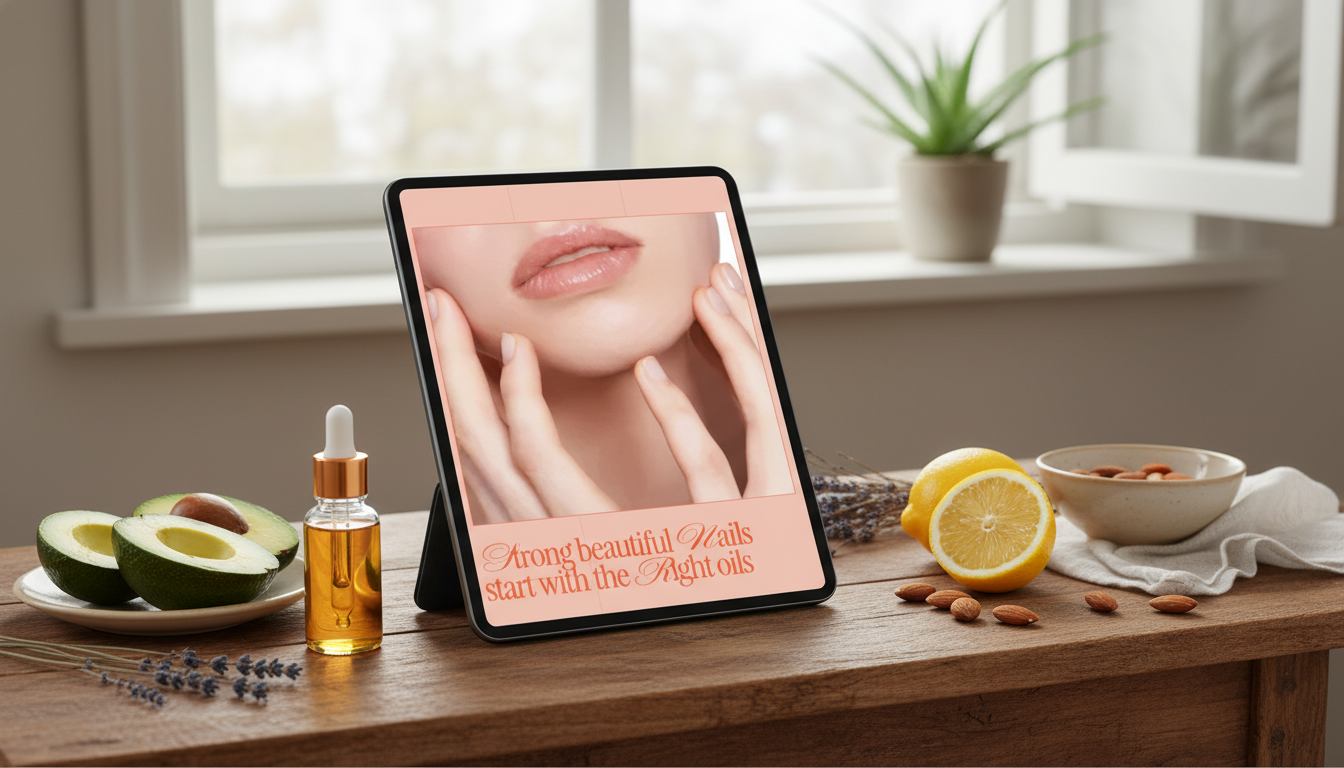
Strong, Beautiful Nails Start With the Right Oils: A Practical Guide to Growth, Cuticle Health, and Long Natural Length
Brittle edges, peeling layers, and dry cuticles often trace back to dehydration and barrier damage—especially after frequent handwashing, sanitizers, or regular polish removal. Nail oils help by supporting the nail plate, softening and protecting cuticles, and reducing breakage so length can be retained. This guide breaks down which oils matter most, what to look for on labels, and how to use them consistently for stronger, healthier-looking natural nails.
What Nail Oil Actually Does (and What It Can’t Do)
Nail oil is less about “making nails grow overnight” and more about helping nails stay intact long enough to show their natural growth. Used consistently, it supports the nail and the skin around it in a few practical ways.
- Helps reduce brittleness by limiting water loss and keeping keratin layers more flexible.
- Softens cuticles and surrounding skin, lowering the chance of painful hangnails and picking.
- Supports length retention: nails often “grow” fine, but break or peel before length shows.
- Won’t permanently change nail genetics or instantly “repair” severe splits; consistency plus gentler habits matter.
For a baseline routine that supports nail and cuticle health, the American Academy of Dermatology’s nail care tips are a helpful reference: AAD: Nail care basics.
The Oils That Tend to Work Best (and Why)
Not all oils feel the same, and texture matters because the best nail oil is the one that gets used frequently. Many people do well with lighter oils during the day and a richer blend at night.
- Jojoba oil: Often praised for its lightweight feel and quick absorption; ideal for frequent daily use.
- Sweet almond oil: A classic emollient that’s especially helpful for dry cuticles and surrounding skin.
- Apricot kernel oil: Similar to almond in slip and feel; useful for softening and conditioning.
- Argan oil: Contains fatty acids and antioxidants; a good option for dryness and rough cuticle edges.
- Vitamin E (tocopherol): Commonly used to condition; typically best in a blend since it can feel heavy alone.
- Castor oil: Thick and sticky; better as an overnight seal or mixed into a lighter base.
Quick oil picker for common nail concerns
| Concern |
Oils to prioritize |
Best time to use |
Texture note |
| Dry, frayed cuticles |
Jojoba, almond, apricot, vitamin E (blend) |
After every handwash + bedtime |
Light to medium |
| Peeling nail layers |
Jojoba, argan, almond |
2–4x/day + after remover |
Light to medium |
| Breakage at the free edge |
Jojoba + a small amount of castor |
Bedtime + before gloves/chores |
Medium to thick |
| Hangnails from dryness/picking |
Almond, apricot, argan |
Massage into sidewalls as needed |
Light to medium |
How to Read a Nail Oil Label Without Overthinking It
A label doesn’t need to be complicated to be effective. A few quick checks help you choose an oil you’ll actually want to apply.
- Scan the top ingredients: Look for plant oils like jojoba, almond, apricot, or argan listed near the beginning.
- Be cautious with fragrance: Fragrance and essential oils can irritate sensitive skin; if you notice redness or itching, switch to fragrance-free.
- Blends are often easier to use: A mix of light and medium oils tends to feel nicer than a single thick oil, which encourages frequent application.
- Choose packaging that fits your day: Brush pens and rollerballs make it easy to apply at a desk or in the car; droppers can be great for a home routine.
- Mind freshness: Oils can go rancid over time—store away from heat and sunlight and use within the stated period.
A Simple Routine for Stronger Nails in 2–4 Weeks
Most visible improvement comes from small, repeated applications rather than a single heavy dose once in a while. A realistic routine is what makes nails look and feel different.
- Morning: Apply oil to cuticles, sidewalls, and under the free edge; massage 20–30 seconds per hand.
- Midday: Reapply after handwashing or sanitizer use, especially in dry climates or air-conditioned offices.
- After polish remover: Oil immediately, then again 30–60 minutes later once the skin settles.
- Night: Use a heavier application; consider cotton gloves if hands are extremely dry.
- Consistency beats intensity: Frequent, smaller applications usually outperform one large application.
If cuticles are already inflamed, keeping them moisturized and avoiding aggressive trimming can help reduce irritation over time. For practical cuticle basics, see: Cleveland Clinic: Cuticle care.
Habits That Protect Oil Benefits (So Nails Can Keep Their Length)
Oil works best when daily habits don’t undo it. A few protective changes often make a bigger difference than switching brands.
When to Adjust: Signs an Oil (or Additive) Isn’t Agreeing With You
Recommended Digital Guides (In Stock)
FAQ
How often should nail oil be applied for visible improvement?
Aim for 2–4 times daily (especially after washing hands) plus a bedtime application. Softer cuticles can show up quickly, while better breakage resistance usually takes a few weeks of consistent use.
Is jojoba oil better than vitamin E for nail growth?
Jojoba is often preferred for frequent use because it feels light and absorbs well, making it easier to reapply throughout the day. Vitamin E can be helpful too, but it’s usually most comfortable in a blend since it can feel heavier on its own.
Can nail oil help with peeling nails?
It can help reduce peeling by improving flexibility and limiting dehydration, but results depend on reducing water exposure, filing gently, and avoiding harsh removal that thins the nail plate.
Recommended for you






Leave a comment