Clean Eating Kickstart Checklist: A Beginner-Friendly Plan to Nourish and Flourish
Clean eating can feel overwhelming at first—labels, meal ideas, grocery lists, and the pressure to “do it perfectly.” A kickstart checklist simplifies the process into small, repeatable steps: choosing more whole foods, building balanced plates, and setting up a kitchen that makes better choices easier. The goal isn’t restriction—it’s making everyday meals more nourishing, more satisfying, and easier to repeat.
What “Clean Eating” Means (Without the All-or-Nothing Rules)
Clean eating is less about cutting entire food groups and more about choosing foods that are closer to their original form most of the time. Think: vegetables, fruit, beans, lentils, whole grains, nuts, seeds, eggs, fish, poultry, and dairy (or fortified alternatives).
- Prioritize minimally processed foods most days. The more meals come from simple ingredients, the easier it is to manage added sugar, sodium, and excess saturated fat.
- Choose recognizable ingredients. Fewer additives and shorter ingredient lists typically make it easier to know what you’re eating.
- Use flexible guidelines. Progress over perfection beats “on/off” eating patterns that burn out quickly.
- Build stable meals for steady energy. A mix of protein, fiber, and healthy fats can support fullness and reduce snack cravings caused by energy crashes.
Beginner Clean-Eating Swaps That Still Feel Familiar
| Instead of |
Try |
Why it helps |
| Sugary cereal |
Oats with fruit + nuts |
More fiber and longer-lasting fullness |
| Soda or sweetened drinks |
Sparkling water + citrus |
Cuts added sugar while keeping flavor |
| Chips |
Roasted chickpeas or air-popped popcorn |
Crunchy snack with more protein/fiber |
| White bread sandwiches |
Whole-grain bread or lettuce wrap |
More nutrients and steadier energy |
| Creamy bottled dressing |
Olive oil + vinegar + herbs |
Simple ingredients and better fat profile |
The 5-Part Clean Eating Kickstart Checklist
If you want a straightforward routine, focus on these five checkpoints. They’re simple enough to repeat weekly, and specific enough to guide choices when you’re busy.
- Pantry reset: Pick 8–12 staples you’ll actually use (oats, brown rice, quinoa, canned beans, lentils, canned tuna/salmon, nut butter, olive oil, salsa, vinegar, spices). This reduces decision fatigue and makes quick meals realistic.
- Plate formula: Aim for 1/2 non-starchy vegetables, 1/4 protein, 1/4 fiber-rich carbs, plus a healthy fat where it fits. This aligns well with the Healthy Eating Plate approach.
- Protein at breakfast: Add eggs, Greek yogurt, tofu scramble, cottage cheese, or even leftover chicken/beans. A higher-protein morning meal often reduces mid-morning cravings.
- Smart snacks: Pair fiber + protein (apple + nut butter, hummus + carrots, yogurt + berries) instead of refined carbs alone.
- Hydration baseline: Keep water visible and do a quick “drink check” before snacking—thirst and habit hunger can feel similar.
How to Stock a Beginner-Friendly Clean Eating Kitchen
- Produce: Mix fresh, frozen, and shelf-stable to avoid waste—frozen berries, frozen spinach, canned tomatoes, and bagged slaw are all time-savers.
- Proteins: Rotate eggs, chicken, fish, beans, lentils, tofu, and Greek yogurt for variety and budget control.
- Fiber-rich carbs: Oats, brown rice, quinoa, whole-grain pasta, potatoes, and corn tortillas work in tons of meals.
- Healthy fats: Olive oil, avocado, nuts, and seeds. If goals include weight management, pre-portioning helps (for example, a small bowl for nuts instead of eating from the bag).
- Flavor boosters: Garlic, onion, citrus, vinegar, salsa, mustard, herbs, and spice blends—clean eating is easier when food tastes great.
For evidence-based guidance on building an overall pattern that supports health, the Dietary Guidelines for Americans are a helpful reference point.
A Simple 7-Day Starter Rhythm (No Complicated Meal Plans)
Instead of planning seven different dinners, use a repeatable rhythm that still feels flexible.
- Pick 2 breakfasts, 2 lunches, and 2 dinners to repeat. Repetition lowers effort and helps habits stick.
- Batch-prep one protein and one carb. Example: roast chicken thighs and cook quinoa; combine with different vegetables and sauces all week.
- Create a “backup dinner” list. Keep a few fast options for hectic nights (omelet + salad, tuna bowl with microwavable rice, frozen veggie stir-fry with tofu).
- Aim for one new recipe per week. Keep the rest familiar to prevent burnout.
- Track one small win daily. Vegetables at lunch, your water goal, or choosing a balanced snack all count.
Reading Labels the Beginner Way
Common Beginner Roadblocks (and Quick Fixes)
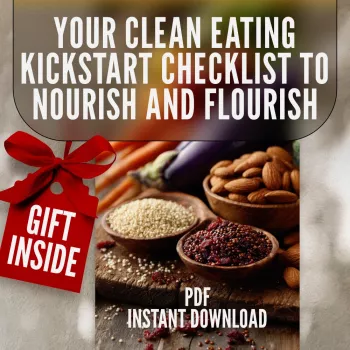
Printable Checklist Option: A Low-Stress Way to Stay Consistent
FAQ
What are the first steps to start eating clean for beginners?
Start small: add a vegetable to one meal each day, choose water more often, build a simple protein-rich breakfast, and stock a few staples you can mix and match. Consistency beats extreme restrictions.
Does clean eating mean cutting out carbs or gluten?
No—clean eating focuses on food quality and balance. Carbs can absolutely fit through whole grains, fruit, beans, and starchy vegetables; gluten avoidance is only needed for medical reasons or personal preference.
How can clean eating stay affordable?
Use frozen produce, beans and lentils, oats, eggs, canned fish, and store brands, and plan around sales. Repeating a few meals and using mix-and-match staples also helps reduce food waste.
Recommended for you







Leave a comment