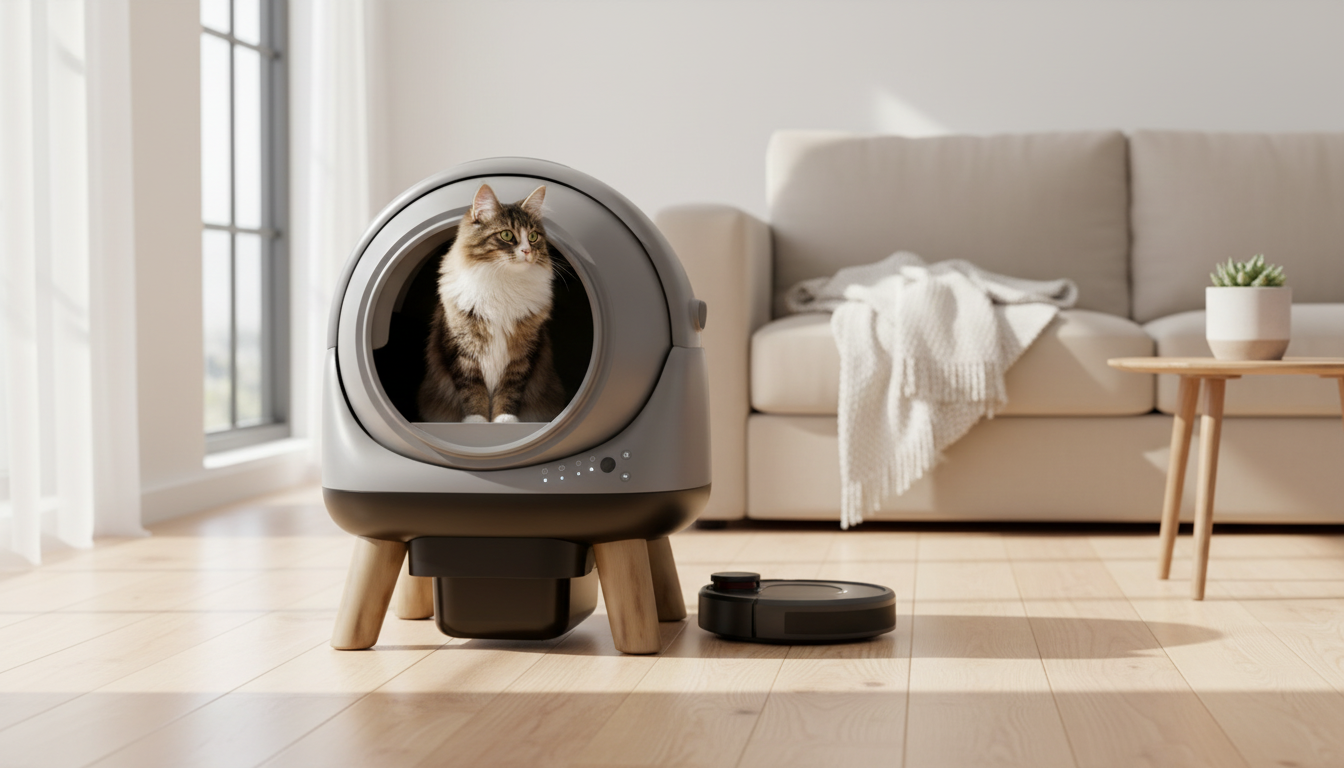
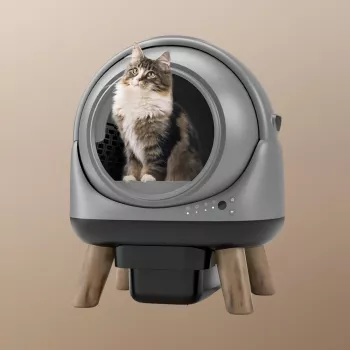
A self-cleaning litter box can reduce daily scooping, help keep odors contained, and make litter maintenance more consistent. The G1 Smart Self-Cleaning Cat Litter Box Robot is built around those everyday goals—automated waste separation, a more contained waste area, and safety sensors designed to keep cats from getting startled by movement. Below is a practical look at how features like odor control and sensor-based safety fit into real home routines, plus what to consider for setup, litter choices, and multi-cat households.
The core job of an automatic litter box is simple: separate waste from clean litter after your cat uses the box so the bed of litter stays fresher longer. The G1 Smart Self-Cleaning Cat Litter Box Robot automates that separation, which can reduce how often you need to scoop by hand and helps keep the litter area looking (and smelling) more consistent throughout the week.
Even with automation, it’s still smart to do quick visual checks—especially in the first couple weeks—so you can confirm clumps are forming properly, the bin isn’t overfilling, and your cat is using it comfortably.
Odor control is rarely one “magic feature.” In real life, it comes down to three things working together: how well waste is contained, how well your litter clumps and traps ammonia, and how quickly waste gets moved out of the open litter area.
A covered waste compartment helps isolate clumps and solids from open air, which can be a big deal in small apartments, offices, or homes where the litter box must live near shared spaces. Better results usually come from pairing that containment with a low-dust, fast-clumping litter and a predictable bin-emptying routine.
Placement also matters more than many people expect. Humid laundry rooms and tight corners can encourage lingering smells, while a spot with gentle airflow can help (as long as the airflow doesn’t blow dust across the room).
| Factor | What to do | Why it helps |
|---|---|---|
| Cleaning frequency | Use automatic cycles after visits (or scheduled) | Reduces time waste sits exposed |
| Waste bin routine | Empty before it becomes overfull | Prevents odor concentration and leakage |
| Litter choice | Use clumping litter with good ammonia control | Improves separation and smell capture |
| Location | Choose a ventilated, low-humidity spot | Limits lingering odors and damp litter |
Automatic cleaning is only helpful if cats feel secure using the box. Safety sensors are intended to prevent movement while a cat is inside and to pause cycles if a cat approaches mid-clean. That matters in real homes where one cat may hover nearby, or a curious cat might investigate any sound or motion.
For smoother adoption, keep the unit powered on but limit how often it runs cleaning cycles at first. Timid cats often do better when they can explore the box on their own schedule. If needed, keep the previous litter box nearby temporarily so a cautious cat doesn’t avoid the litter area altogether. For deeper behavior guidance, see the ASPCA’s overview of litter box problems and resources from the American Association of Feline Practitioners (AAFP).
Small setup decisions can affect performance more than expected. Place the unit on a flat, stable surface so sensor readings stay consistent and the box doesn’t wobble or vibrate. Make sure you have enough clearance for your cat to enter and exit comfortably and for you to remove the waste bin without tugging or shifting the entire unit.
Models with safety sensors are designed to pause or prevent cleaning movement when a cat is inside or approaches mid-cycle. It’s still wise to supervise during the first few days and introduce the unit gradually for timid cats so they don’t develop litter avoidance.
Clumping litter that forms firm clumps quickly typically works best because it separates more cleanly and helps control odor. Low-dust clumping formulas are a good option for cleaner surrounding surfaces, while non-clumping or very lightweight litter can reduce separation performance.
A practical range is every 2–7 days depending on how many cats use the box and their habits. Emptying before the bin becomes overfull helps prevent odor buildup and reduces the chance of tearing or leaks during bag removal.





Leave a comment