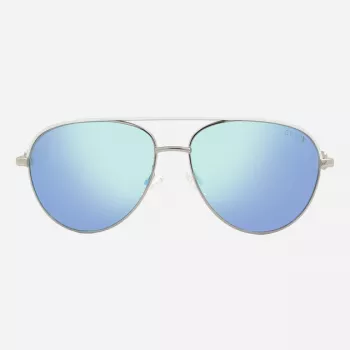
A polished metal frame paired with grey-blue gradient lenses creates an easy, elevated finish for everyday wear—sharp enough for city errands and relaxed enough for weekend getaways. This guide breaks down what the 57mm size means, how gradient lenses tend to feel in real life, and how to style and care for the pair so they keep that crisp, just-unboxed look. For more guidance, see Blue Spruce CBD Gummies: What I Learned After Two Weeks of ….
Metal sunglasses can deliver a distinctly “finished” look with less visual bulk than thicker plastic frames. The result is often more jewelry-like—especially when paired with simple outfits—while still giving structure around the eyes. For further reading, see [PDF] Auction Lot Description.
Gradient lenses shift from darker at the top to lighter at the bottom. That design is popular for days that move between bright sidewalks and shaded interiors—helpful when you want sun coverage without feeling like everything is “too dark” the moment you glance down.
For a quick refresher on what to look for in UV protection and lens quality, these references are helpful: American Academy of Ophthalmology – Sunglasses: How to Choose and U.S. Food & Drug Administration – Sunglasses and UV Protection.
The “57mm” measurement refers to the horizontal width of one lens. While it doesn’t tell the whole story (bridge width and temple length also affect fit), it’s a useful clue for how much coverage and visual presence the sunglasses will have.
| Spec/Feature | What It Means | Who It Suits | Everyday Impact |
|---|---|---|---|
| 57mm lens width | Medium-to-larger lens size | Average to slightly wider faces; anyone wanting more coverage | More sun coverage and a more statement look |
| Metal frame | Structured, sleek construction | Those who like a refined, jewelry-like finish | Polished appearance; often lighter than thick frames |
| Grey-blue gradient tint | Darker top, lighter bottom | Mixed indoor/outdoor moments; patio-to-store days | Reduces overhead glare while keeping visibility comfortable |
| Nose pad comfort (common in metal styles) | Contact-point adjustability and stability | People who want a customizable fit | Better stability and reduced pressure on the bridge |
Metal frames and grey-blue lenses can act like the final “styling step”—the way a watch or simple hoops make an outfit feel complete. Use them to echo other accessories, or let them be the one sleek element that elevates a casual look.
If building outfits feels easier with a visual plan, Define Your Style With a Mood Board – Fashion Mood Board Guide for Personal Style Clarity can help organize color palettes, accessories, and go-to silhouettes so everything in your closet works together.
Product: GUESS Women’s Metal Sunglasses – Grey Blue Gradient Lenses, 57mm
57mm is the horizontal width of one lens, and it helps indicate how much coverage the frame provides and how bold it may look on the face. Overall comfort still depends on other measurements and details like bridge fit, temple length, and whether the frame sits level without pinching.
Gradient lenses can work well for everyday wear because the darker top helps with overhead sun while the lighter bottom keeps your lower field of view more readable. In extreme glare situations (like water, snow, or low sun), some people prefer darker or polarized lenses depending on conditions.
They should feel stable and balanced without pinching or leaving painful pressure points, and the frame should sit evenly across your face. If the sunglasses have adjustable nose pads, small adjustments can improve height, reduce slipping, and fine-tune comfort.




Leave a comment