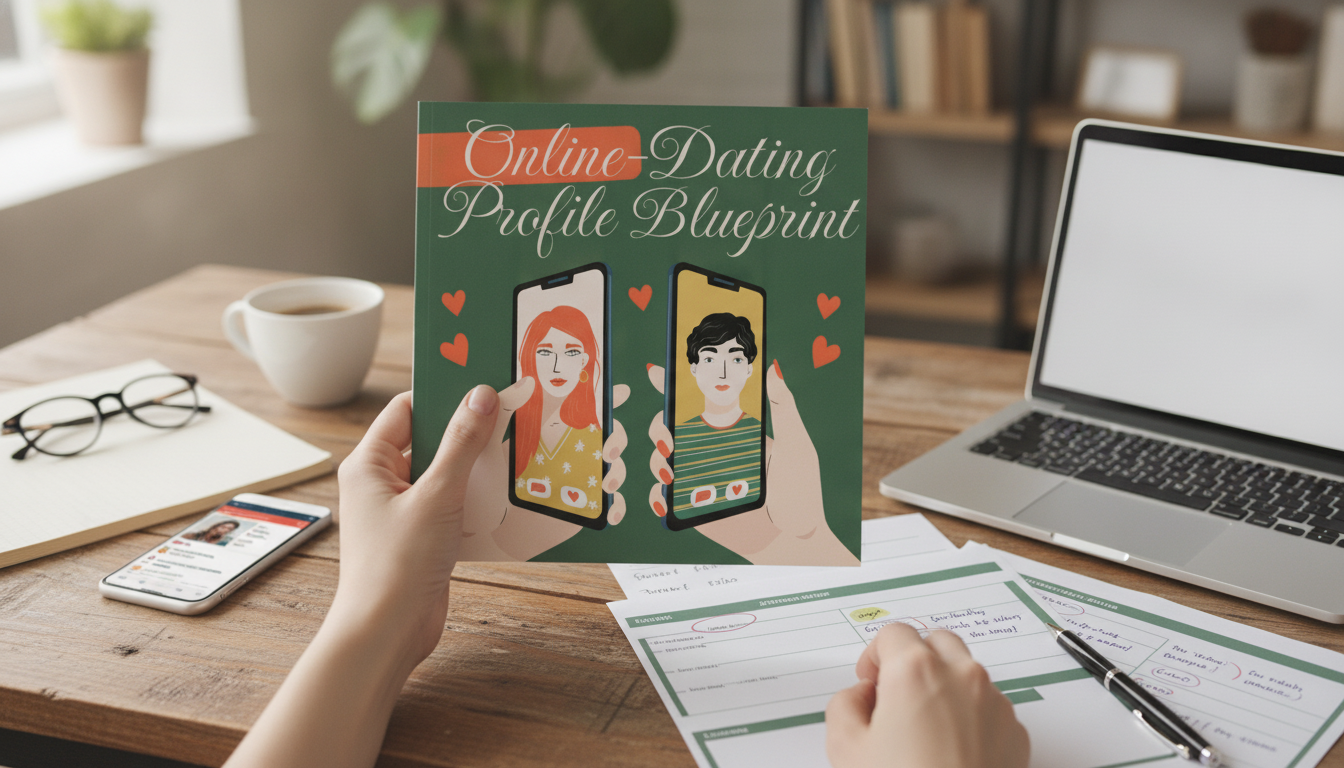
A good dating profile does two jobs at once: it signals who someone is and filters for who fits. A printable blueprint turns that into a simple, repeatable process—choosing photos with purpose, writing lines that sound like a real person, and sending first messages that earn replies without feeling forced. For anyone who’s felt stuck in the “tweak the bio, swap a photo, hope for the best” loop, a structured plan makes online dating feel less like guesswork and more like clear communication.
Research also shows that online dating can be both effective and frustrating, often at the same time—especially when expectations, effort levels, and intentions don’t match. If you want a quick reality check on why that happens, the Pew Research Center and the American Psychological Association both describe the mix of opportunity and overload that comes with app-based dating.
A blueprint is less about “performing” and more about alignment: your photos, your words, and your message style all pointing to the same version of you. That alignment is what makes the right people lean in—and the wrong people quietly self-select out.
The most useful part of a printable system is re-use: once the foundation is built, changing apps (or changing goals) doesn’t mean starting over. You’re simply mapping the same core information into a new format.
| Module | Focus | Result to expect |
|---|---|---|
| Profile foundation | Core identity + what you’re seeking | Clearer signals; fewer mismatched conversations |
| Photos plan | Selection + sequencing | More right-fit likes; fewer “what do you look like?” messages |
| Prompts & bio | Specificity and warmth | More replies that reference your profile |
| First messages | Openers + follow-ups | Less ghosting; faster move to real conversation |
| Match filter checks | Red flags + alignment cues | Better dates, less time-wasting |
The quickest way to sound real is to be specific about what shows up in your week—without writing a memoir. Start with a few anchors that are easy to verify through conversation and easy to support with photos.
Example of “proof over adjectives”: instead of “easygoing,” try “I’m a ‘make the plan and enjoy it’ person—Sunday meal prep, a midweek workout, and one spontaneous night out.” It paints a picture and gently filters for similar rhythms.
Photos do most of the first-pass communication on dating apps, which is why a plan helps. You’re aiming for clarity, variety, and context—so a match can understand your vibe quickly and feel comfortable starting a real conversation.
A simple sequencing rule: clear face first, then a candid, then context. If someone has to guess which person you are or what you look like now, they’re more likely to swipe away—or ask low-effort questions that go nowhere.
If you want a ready-to-use set of worksheets that turns all of the above into a repeatable routine, start here: Online-Dating Profile Blueprint | Printable Guide to Authentic Dating Profiles, First Messages, and Better Matches. It’s designed to be printed or filled digitally, then revisited whenever your photos, preferences, or goals evolve.
For a simple add-on that supports confidence and consistency (especially when dating overlaps with fitness goals and busy schedules), pair it with: High-Protein Ideas for Muscle Recovery Checklist | Digital Download for Healthy High-Protein Breakfast Ideas for Muscle Recovery, Fitness, and Post-Workout Nutrition.
Yes. It focuses on universal elements—photos, short bio lines, prompt-style answers, and messaging tone—so you can adapt the same core content to each app’s layout and character limits.
Most updates take about 30–90 minutes, depending on how long photo selection takes. After the first setup, future tweaks are much faster because your foundation is already clear.
Include one specific reference from their profile, ask one easy question, and add a short related detail about you. Keeping it concise and natural makes it feel personal without trying too hard.



Leave a comment