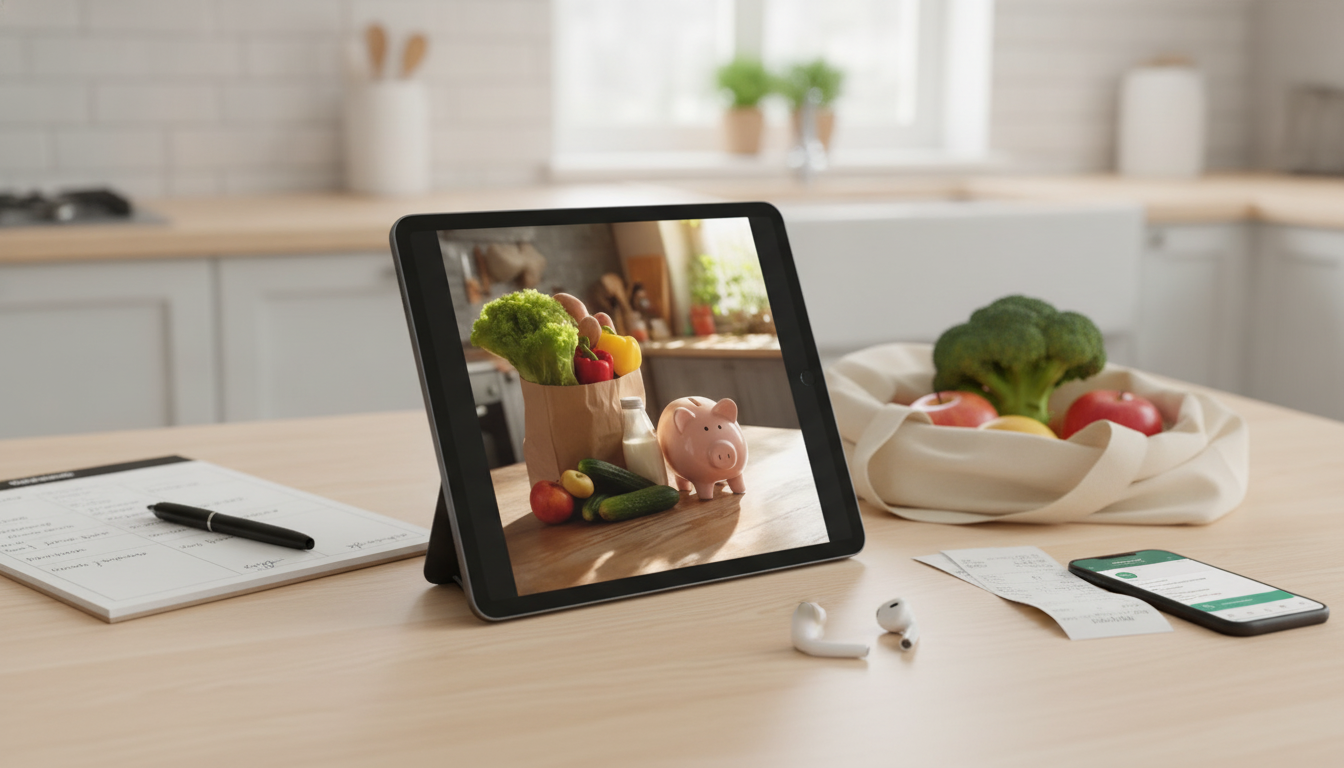
Shopping for one can feel like paying more for less—bigger package sizes, wasted leftovers, and impulse extras add up fast. A better approach is a simple, repeatable routine: plan a few meals that share ingredients, shop from a tighter list, and portion food right away so your cart turns into a full week of satisfying meals without overspending.
When you’re cooking for one, the store is still optimized for families. That mismatch is where many budgets break down.
A realistic budget starts with how you actually eat, not a number that looks good on paper.
Solo meal planning works best when it’s built around overlap. You’re not cooking the same meal repeatedly—you’re reusing building blocks in different formats.
| Anchor item | Buy once | Use it in | Storage tip |
|---|---|---|---|
| Rotisserie chicken or cooked chicken thighs | 1 whole or 3–4 portions | Tacos, salad, soup, rice bowl | Freeze 1–2 portions immediately |
| Rice or quinoa | 1 bag or 2–3 cups cooked | Stir-fry, bowl, side dish | Cook once; refrigerate 3–4 days |
| Spinach or mixed greens | 1 clamshell/bag | Salads, omelets, pasta, smoothies | Paper towel in container to reduce moisture |
| Canned beans | 2–4 cans | Chili, wraps, salads | Rinse and store leftovers in a sealed container |
| Yogurt | 1 tub | Breakfast, sauces, snacks | Portion into small containers for grab-and-go |
A one-cart strategy keeps your trip focused: buy what you’ll actually use, in quantities you can manage.
For safe storage times and refrigeration guidance, use the CDC food safety resources. If you want to look up nutrition details to compare products and portions, USDA FoodData Central is a reliable database.
| Day | Meal idea | Key overlapping ingredients |
|---|---|---|
| Mon | Chicken taco bowl | Chicken, rice, beans, salsa, greens |
| Tue | Veggie stir-fry | Rice, mixed veg, soy sauce, eggs or chicken |
| Wed | Big salad + toast | Greens, beans/chicken, yogurt dressing |
| Thu | Pasta with spinach | Pasta, spinach, yogurt or pesto |
| Fri | Soup from leftovers | Chicken/beans, veg, broth |
| Sat | Wrap or quesadilla | Tortillas, cheese, beans, greens |
| Sun | Freezer meal night | Frozen portions, salad kit or fruit |
Choose meals that share ingredients, buy smaller quantities unless you’ll freeze portions, and portion cooked food immediately. Keep a visible “use first” bin in your fridge so items nearing expiration get eaten before they’re replaced.
Bowls, stir-fries, soups, pasta, wraps, and egg-based meals are reliable because they reuse staples and easily absorb leftover vegetables. They also scale down well without leaving you stuck with odd partial ingredients.
Yes—repetition drops when you reuse the same base ingredients but switch the sauce or cuisine style (taco bowl one night, stir-fry the next). Planning just 2–3 anchor items plus one flexible “stretch” meal keeps things varied without expanding your cart.





Leave a comment