The Thoughtful Gift Box Checklist: A Printable Guide for Building Homemade Gift Boxes That Feel Personal
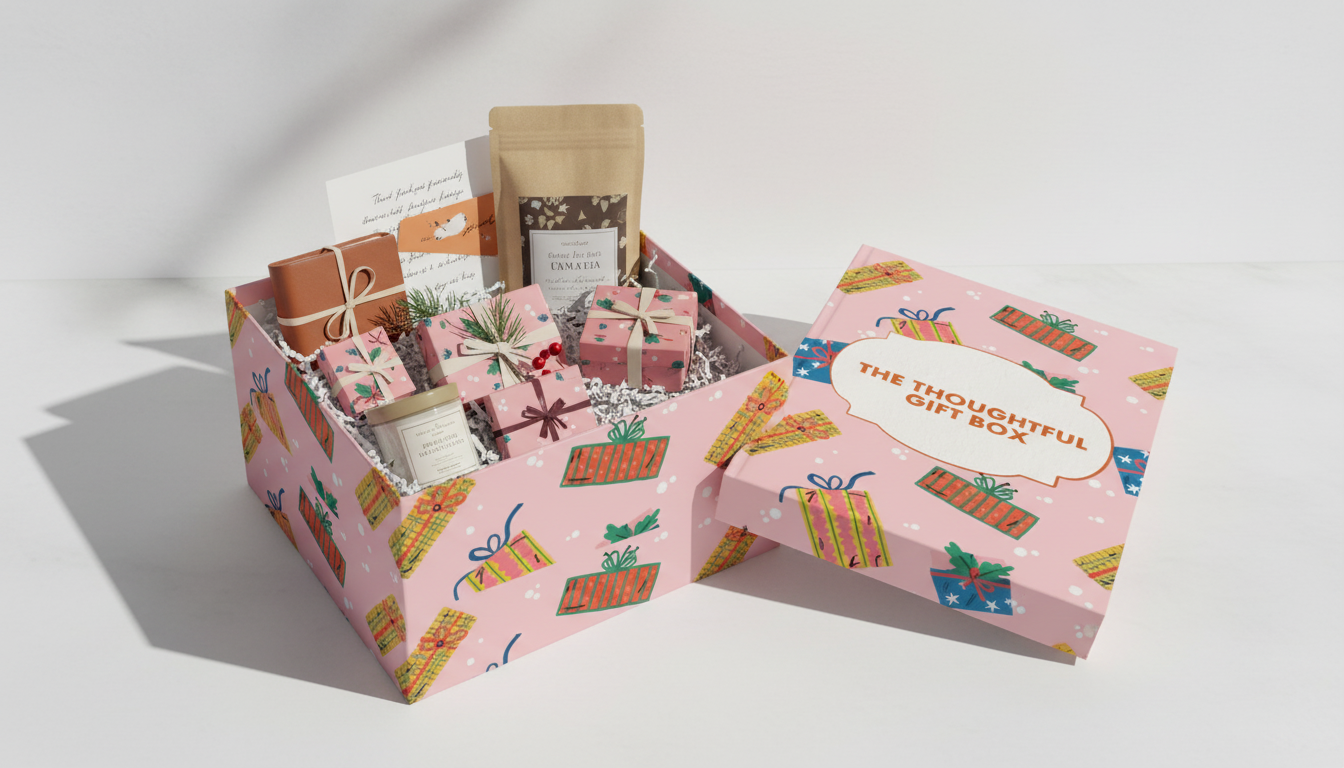
Homemade gift boxes feel special when they’re curated with intention: a clear theme, a few useful items, a little surprise, and thoughtful presentation. A printable plan makes it easier to balance what goes in, avoid last-minute overbuying, and assemble everything neatly—so the final box feels cohesive, not random. For an easy way to organize your ideas (and keep multiple recipients straight), use The Thoughtful Gift Box Checklist (digital download).
What Makes a Gift Box Feel Thoughtful (Not Just “Stuff in a Box”)
A great gift box isn’t about cramming in the most items. It’s about creating a tiny “moment” that matches the person you’re gifting.
- Choose one clear theme: comfort, self-care, celebration, new home, study boost, cozy night in, or hobby-based.
- Match the box to the recipient’s routines: mornings, workdays, evenings, weekends, travel, or workouts.
- Use a simple balance: 1 anchor item, 2–4 supporting items, 1 treat, and 1 personal touch.
- Keep quantity reasonable; cohesion and usefulness beats maximum volume every time.
- Add a short note explaining the theme and why each item was chosen (this is what makes the box feel truly personal).
A Simple Formula for Building Any Homemade Gift Box
When you’re stuck, fall back on a reliable formula. It works for birthdays, holidays, thank-you gifts, care packages, and “thinking of you” surprises.
- Start with an anchor item (the main focus): a mug, candle, book, cozy socks, mini game, skincare hero product, or a small tool for a hobby.
- Add 2–4 support items that match the anchor: tea, cocoa, matches, a spoon, face mask, lip balm, journal, pens, or a playlist card.
- Include a treat (edible or experiential): chocolate, cookies, gourmet popcorn, local jam, or a coffee gift card.
- Include a personal touch: handwritten note, photo strip, custom label, recipe card, or a shared memory prompt.
- Finish with a practical extra: mini hand cream, travel-size sanitizer, stain remover pen, charging cable, or a small pouch.
Gift Box Builder: Theme-to-Contents Checklist
| Theme |
Anchor Item |
Support Items (pick 2–4) |
Treat |
Personal Touch |
Packaging Add-ons |
| Cozy Night In |
Mug or blanket |
Tea/cocoa, spoon, candle, fuzzy socks |
Chocolate squares |
Movie recommendation card |
Shredded paper, ribbon, gift tag |
| Self-Care Reset |
Skincare or bath item |
Face mask, lip balm, hand cream, scrunchie |
Herbal tea |
Mini affirmation card |
Tissue paper, label sticker |
| New Home |
Kitchen towel or small plant |
Candle, mini toolkit, room spray, coasters |
Local snack |
“First night” checklist card |
Kraft box, twine |
| Study Boost |
Notebook |
Pens, highlighters, sticky notes, timer |
Trail mix |
Encouragement note |
Divider cards, washi tape |
| Birthday Mini Party |
Party popper or small game |
Confetti, candles, card, photo props |
Cupcake mix or candy |
Memory prompt card |
Cellophane wrap, bow |
What to Include: Categories That Cover Most Recipients
When you want the box to feel “complete,” pull from a few categories—then edit down to what fits the theme.
- Comfort items: socks, a mini blanket, sleep mask, hot/cold pack, slippers (choose compact sizes).
- Food and drink: tea, coffee, cocoa, honey sticks, spices, snack mix (always check allergies and preferences). For safety guidance on food gifts, reference the USDA Food Safety and Inspection Service food gift tips.
- Personal care: travel-size lotion, lip balm, bath soak, sheet mask, nail file (avoid strongly scented items if you’re unsure).
- Activity items: puzzle, mini craft kit, book, journal, card deck, playlist QR code.
- Practical add-ons: keychain, pen, phone stand, cable organizer, small pouch, reusable tote.
- Keepsakes: photo, note, coupon book, “reasons you’re loved” cards, small framed quote.
If your gift includes snacks, a quick allergy check can prevent awkward moments. The CDC’s overview on food allergy awareness is a helpful refresher for common allergens and best practices.
Sizing and Budgeting Without Losing the “Wow” Factor
- Set a budget range first, then allocate: 40–50% anchor, 40–50% supporting items and treat, 10% packaging.
- Pick a box size that fits the anchor; oversized boxes require excessive filler and can look sparse.
- Use visual variety to make a small box feel abundant: mix shapes (flat + tall), textures (paper + fabric), and colors (2–3 coordinated tones).
- Choose a consistent scent profile (or none): vanilla + cocoa, lavender + chamomile, citrus + mint.
- If shipping, prioritize lightweight, non-breakable items, and seal consumables in separate bags.
For fitness-focused recipients, a themed “recovery” box can be especially useful: shaker bottle (anchor), electrolyte packets and a mini towel (supports), protein bar (treat), and a note with an encouragement line. To make planning easier, consider pairing your gift-building checklist with High-Protein Ideas for Muscle Recovery Checklist (digital download) as a bonus printable to include in the box.
Packaging That Looks Finished: Step-by-Step Assembly
Printable Checklist: How to Use the Digital Download
FAQ
What should be included in a homemade gift box?
Include one anchor item, 2–4 supporting items that match a clear theme, one treat, a personal note or keepsake, and simple packaging elements like tissue and a tag.
How many items should a gift box have?
Most gift boxes look and feel best with about 5–9 total items, depending on box size and budget. Aim for balance and usefulness rather than trying to fill every inch.
How do you make a gift box look full and expensive on a budget?
Choose a visually strong anchor item, coordinate 2–3 colors, and mix shapes and textures for variety. Neat layering, tidy tissue paper, and just enough filler to prop items up adds a polished, “premium” look.
Recommended for you



Leave a comment