HomeBlogBlogTimberland Red Polarized Sunglasses: Men’s Guide

Timberland Red Polarized Sunglasses: Men’s Guide

Timberland Red Polarized Sunglasses: Men’s Guide

Timberland Red Polarized Sunglasses for Men: Clarity, Comfort, and Everyday Style

Polarized sunglasses help cut glare off roads, water, and other reflective surfaces—making outdoor time easier on the eyes. If you’re considering a standout frame color, red can be surprisingly wearable while still adding personality. Below is a practical guide to what polarized lenses do, how to judge fit and comfort, and how to keep polarized lenses performing season after season. For more guidance, see Job Sunglass Hut Southlake Mall Sunglass Hut NorthPark Center.

What Polarized Lenses Do (and When They Matter Most)

Polarized lenses are designed to reduce harsh reflected glare—especially the kind that bounces horizontally off flat surfaces. That’s why they’re a popular choice for bright, open environments.

  • Reduce reflected glare from pavement, windshields, water, and snow—useful for driving, fishing, boating, and hiking.
  • Improve perceived contrast and visual comfort in bright conditions by filtering horizontally polarized light.
  • Help minimize eye strain during long days outdoors, especially in open environments with strong sun.
  • Not ideal for every situation: some digital screens and instrument panels can look dim or show rainbow patterns with polarization.

Polarization is about glare control—not UV protection. For eye safety, it’s still important to confirm the lenses block UVA and UVB (more on that below). For guidance on UV protection basics, see the American Academy of Ophthalmology and the National Eye Institute.

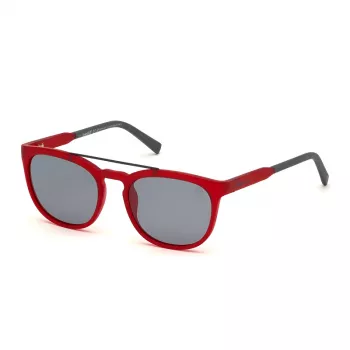
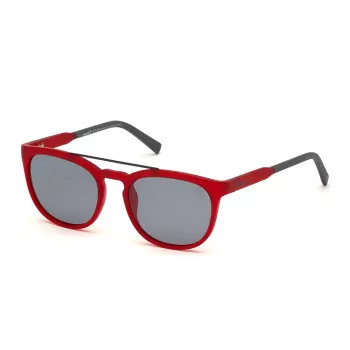
Timberland Red Polarized Sunglasses for Men: Quick Look

A red frame can be bold without looking loud—especially when the rest of the outfit stays neutral. Pairing that style angle with polarized lenses makes this option easy to reach for on commutes, weekend errands, and outdoor days when glare is the main annoyance.

  • A bold red frame can stand out without being flashy when paired with neutral outfits (black, gray, navy, tan).
  • Polarization supports clearer vision in bright daylight, particularly during commuting and weekend outdoor activities.
  • A practical pick for men who want functional lenses with a more distinctive color option than standard black or tortoise.
  • Availability and pricing can vary; check the product page for current details and images.

At-a-Glance Details

Item Details
Product Timberland Red Polarized Sunglasses for Men
Price $98.48 USD
Availability In stock
Product page https://blysseria.com/timberland-red-polarized-sunglasses-for-men/

Fit and Comfort Checklist

Polarized lenses only help if the sunglasses are comfortable enough to wear consistently. A quick fit check can prevent the most common issues: slipping, pressure points, and headaches.

  • Bridge fit: Sunglasses should sit securely without pinching; pressure at the bridge can lead to headaches over time.
  • Temple grip: Arms should feel snug but not tight; slipping often signals a size/shape mismatch or a need for adjustment.
  • Coverage: Lens width and height should protect eyes from frontal glare and peripheral light—especially for driving and open trails.
  • Weight balance: Frames that feel front-heavy can slide down the nose; balanced weight improves all-day wear.
  • Nose pads and hinge feel: Smooth hinge action and stable contact points help reduce hotspots behind the ears.

If the frame is almost perfect but slightly off, a small adjustment at the temples can dramatically improve comfort. It’s often the difference between “nice pair” and “daily pair.”

Lens Considerations Beyond Polarization

Two pairs of polarized sunglasses can feel very different in real-world use. These details are worth double-checking when comparing options.

  • UV protection: Confirm UV400 or 100% UVA/UVB blocking to protect eyes from ultraviolet rays.
  • Lens tint: Darker tints suit strong midday sun; medium tints work well for mixed conditions; some tints enhance contrast in variable light.
  • Optical clarity: Look for consistent clarity edge-to-edge; peripheral distortion can cause discomfort.
  • Scratch resistance: Coatings can help, but storage and cleaning habits matter more for long-term clarity.
  • Driving use: Polarization helps with windshield glare, but be aware of dashboard/screen visibility changes.

Styling Notes: Making a Red Frame Easy to Wear

Red frames work best when they act like a deliberate accent—similar to a watch, a hat, or a pair of sneakers that adds color without dominating the outfit.

  • Keep the rest of the outfit grounded: charcoal tees, denim, tan boots, and olive outerwear pair naturally with red accents.
  • Match metals and accessories: a simple watch band or belt detail can echo the frame tone without overdoing it.
  • Seasonal flexibility: red works year-round—lean into lighter neutrals in summer and deeper tones (navy, brown, forest green) in fall/winter.
  • When in doubt, simplify: let the sunglasses be the only strong color near the face to avoid competing bright hues.

If you’re building a more cohesive personal look, a quick style reference can help you pick colors that repeat naturally across outfits. A useful companion resource is Define Your Style With a Mood Board – Fashion Mood Board Guide for Personal Style Clarity.

Care and Maintenance for Polarized Sunglasses

For anyone who likes simple, practical guides, you may also want From Hustle to Holding | eBook for Turning Side Hustles Into Long-Term Assets and Aim High, Teach Bold: A Practical Guide to Goal Setting for Teachers & Educators for structured, step-by-step planning in other areas of daily life.

FAQ

Are polarized sunglasses good for driving?

Yes—polarized lenses can reduce glare from windshields and reflective roads (especially after rain), which can improve comfort and perceived clarity. Just note that some digital displays or certain windshield coatings may look dimmer or show odd color patterns.

Do polarized lenses block UV rays?

Not automatically. Polarization reduces glare, while UV protection depends on the lens material/coating—look for UV400 or “100% UVA/UVB” labeling to confirm protection.

How can polarization be tested at home?

Try looking at a reflective surface or an LCD screen and slowly rotate the sunglasses; a polarized lens often causes noticeable brightness changes at certain angles. Results can vary by screen type and settings, so a subtle change doesn’t always mean the lens isn’t polarized.

Was this article helpful?

Yes No
Leave a comment
Top

Yay! 10% Off Just for You!

Join our community and enjoy 10% off your first order. Subscribe for exclusive deals!

Shopping cart

×