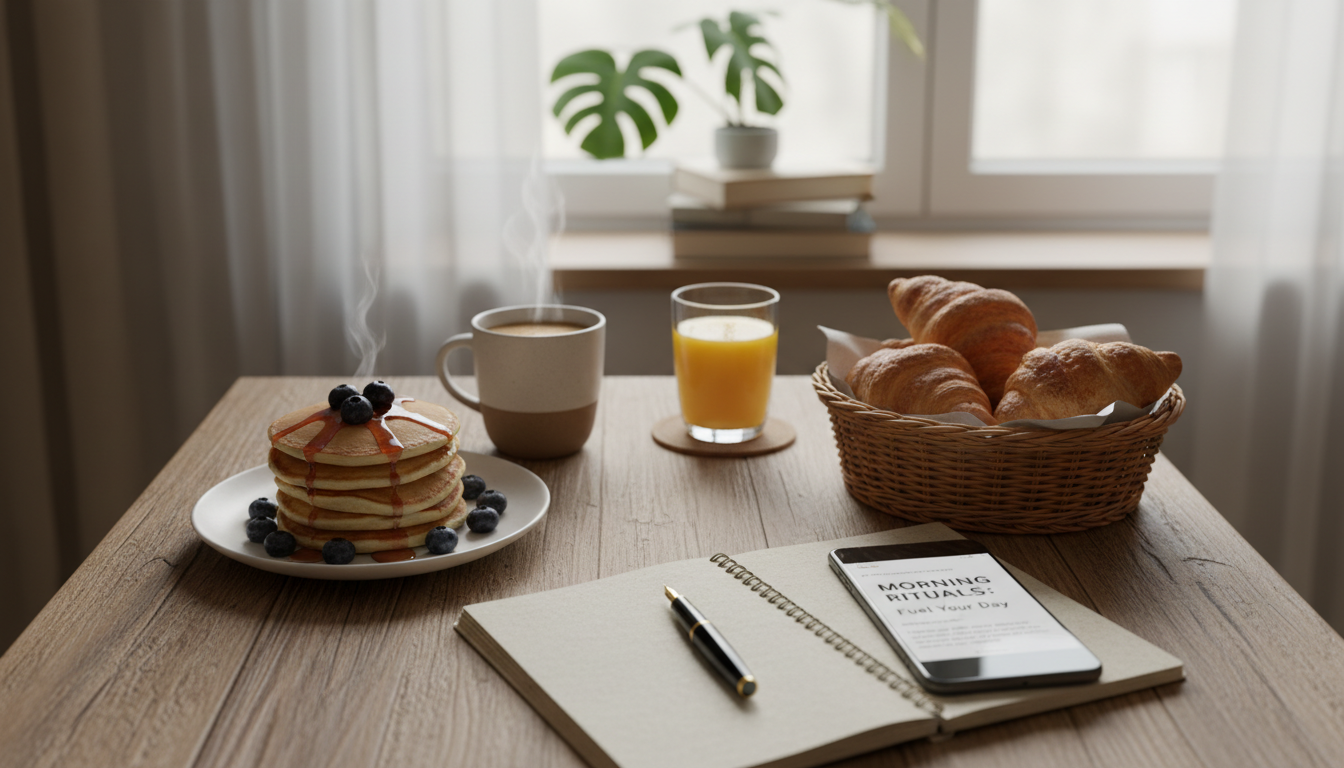
Wood can be a good scratching surface for cats, but it depends on the type of wood, how it’s installed, and whether it meets a cat’s need for grip and resistance. Many cats enjoy scratching natural materials because they feel solid and satisfying, especially for vertical stretching and shoulder engagement.
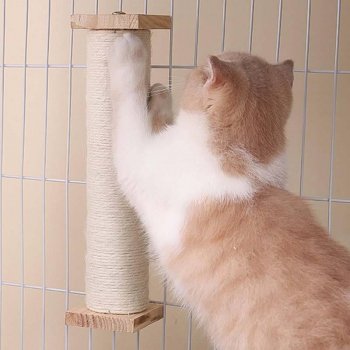
Wood is most successful as a scratcher when it’s stable and offers enough texture for claws to catch. Rougher, unfinished wood (or wood paired with a textured scratching layer) tends to be more appealing than slick, sealed boards. A tall, vertical setup is often a hit because it lets cats fully extend their bodies and mark territory at face level.
Very smooth or heavily varnished wood can be frustrating because claws may slip. Soft woods can splinter, and exposed staples or sharp edges can cause injury. Wood also doesn’t “shed” like cardboard, so some cats that love shredding may ignore it unless another material (like sisal) is added.
Choose solid, splinter-free pieces with sanded edges, and avoid finishes that could chip or smell strongly. Mount it securely so it doesn’t wobble when your cat leans in. If your cat prefers more bite, combine wood with a dedicated scratch zone material or add a removable scratching panel.
For a deeper look at building a sturdy vertical scratch area—especially a wall-mounted option—see this guide: wood wall-mounted cat scratcher and vertical scratch zone.
For Wood as a Cat Scratching Post: Pros, Cons & Safety Tips, the best answer depends on fit, material, care instructions, and how the product will be used day to day.
Checking those details first helps avoid a poor match and keeps the choice practical after delivery.
Untreated, splinter-free solid wood with well-sanded edges is typically safest. Avoid pressure-treated wood, flaking finishes, or anything that can shed sharp splinters under claw pressure.




Leave a comment