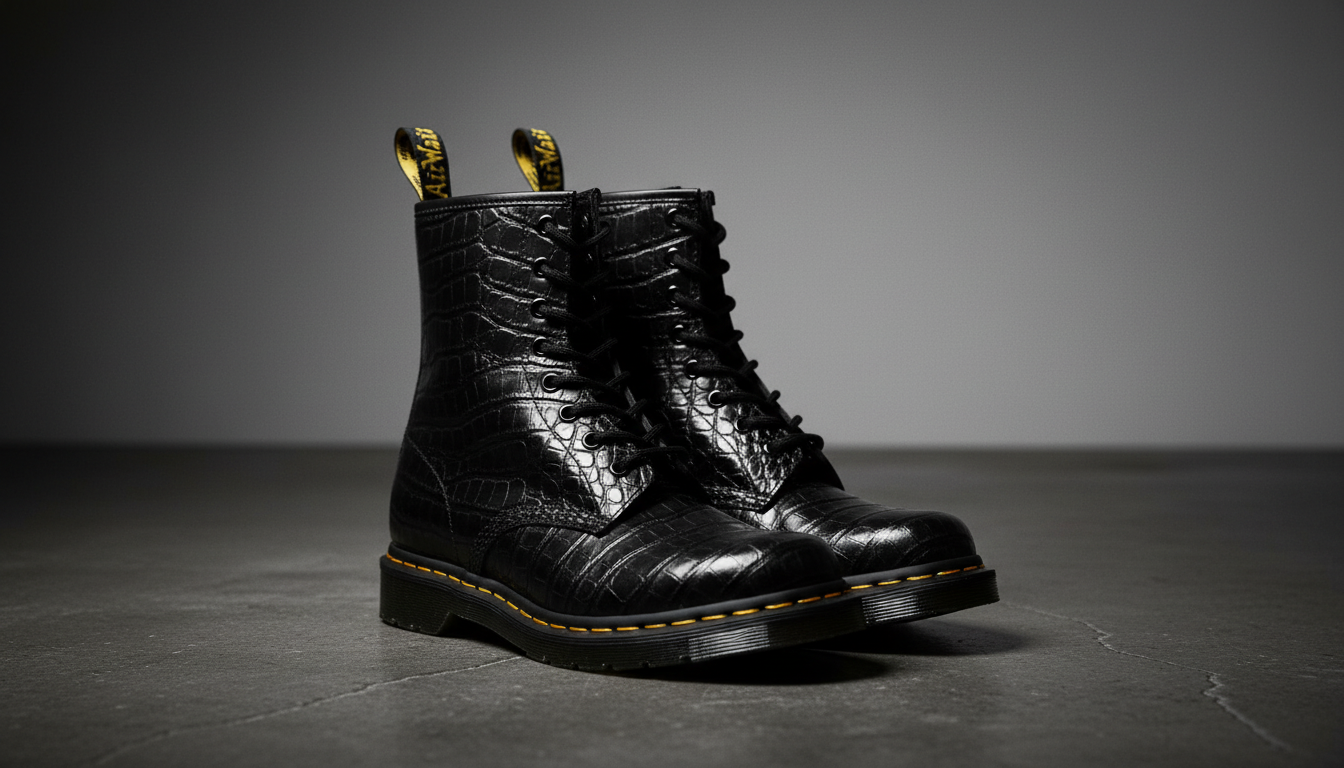
Yes—faux leather boots can be made more water-resistant, but they can’t be truly “waterproofed” the same way sealed rubber or fully treated leather can. Most faux leather is a plastic-based coating over fabric, so it already repels light moisture. The weak spots are usually the seams, the tongue area, and where the upper meets the sole. With the right products and a little upkeep, you can help them handle drizzle, splashes, and damp sidewalks more confidently.
Start by cleaning the surface so sprays can bond evenly. Wipe your boots with a damp cloth, then dry them completely. Next, apply a water and stain repellent labeled safe for synthetic leather (many “suede/nubuck/fabric” protectors also work well on faux leather—check the label). Hold the can 6–8 inches away, mist lightly, and let it dry. Apply a second thin coat rather than soaking the material, which can leave a tacky finish.
For extra protection, focus on the seams. A small amount of clear seam sealer (often sold for outdoor gear) can help block water entry along stitch lines—test in an inconspicuous spot first to confirm it dries clear and doesn’t alter sheen.
Skip waxes, heavy oils, and traditional leather conditioners. Faux leather doesn’t absorb them like real leather, and they can cloud the coating or make it sticky. Also avoid high heat to “speed dry” wet boots; it can cause cracking or peeling. If your boots get soaked, blot with a towel, stuff with paper to hold shape, and air-dry away from radiators or direct sunlight.
Even with a protectant, treat faux leather as water-resistant, not storm-proof. Try to rotate footwear, wipe off road salt quickly, and reapply spray every few weeks during wet seasons. For more fit, styling, and care guidance, visit this faux leather boots guide.
Use a soft cloth with mild soap and water, then wipe again with a clean damp cloth. Dry at room temperature and avoid abrasive scrubbers or harsh cleaners that can dull the coating.




Leave a comment